Tag Archives: featured

main

Do You Need the Flu Shot?

*** Special Announcement! I’m doing a live recipe demo with tips at Glow Bio (7473 Melrose & Gardner, Los Angeles 90036) this coming Tuesday, February 12th from 7-8PM. $50, including a Beauty Detox food tasting! There are only a few spots left. Email: Lecture@MyGlowBio.com if you are in LA to get one of the last spaces!!***

I’m sure you’ve heard a lot about the bleak flu news reports lately. How could you not? The news about it has been everywhere. News reports warn that this flu season is one of the worst in years, and it’s started earlier than in previous years according to the CDC. Such news reports then go on to warn of flu related deaths and suggest heading out to get a flu shot as the best way to prevent the flu. But is it?

Recently, a major news report has surfaced linking GalaxoSmithKline’s 2009 H1N1 swine flu vaccine, Pandemrix — which was given to more than 30 million people in 47 countries (but not the United States) — with incurable narcolepsy in people under the age of 20. In fact, some research cited in the news reports indicated that youth who received the 2009-2010 H1N1 vaccine were 13 times more likely to contract narcolepsy than those who did not.

Likewise, in October of last year, Italian authorities banned Novartis AG’s flu vaccine because of a build up of foreign protein particles in the drug. The particles, which were of unknown origin, compromised the safety of the vaccinations, causing both the Italian and Swiss governments to ban it.

Risks vs Benefits

With conflicting stories of the dangers of seasonal flu and the risks associated with the flu shot, it can be difficult to decide whether you are risking your health more by avoiding the flu shot or getting one. It’s a personal choice that only you can make. The best way to make such a choice is by informing yourself and choosing based on comprehensive information. To that end, I wanted to give you a comprehensive look at the risks and benefits of the flu shot.

Risks

There are a number of risks associated with receiving the flu shot. The CDC lists a number or risks ranging from mild to severe.

  • Flu shot side effectsBecause the flu shot is a moving target (that is, the strain of flu changes from season to season, so drug companies must mock up a flu vaccine with a previous version of the flu and then change it when the strain of seasonal flu is known), there is a risk of developing unknown serious complications that won’t become clear until they show up in millions of people.
  • Some people may have a life-threatening allergic reaction to the flu vaccine.
  • A 1976 flu vaccine was linked to Guillain-Barré Syndrome. While vaccines from other years have not shown a similar causal link, there is a risk of developing this dangerous muscle disorder.
  • Flu vaccines have a host of unpleasant side effects, ranging from aches and pain to fever.
  • Children receiving the flu shot and pnemococcal vaccine at the same time are at higher risk of having a febrile (fever-induced) seizure.
  • No controlled studies exist assessing the safety of the flu vaccine for use in pregnant women.
  • The flu vaccine may contain dangerous or toxic ingredients, such as the addition of Thimerosol (a methyl-mercury containing compound used as a preservative), aluminum salts, formaldehyde, and antibiotics like penicillin.

Benefits

children flu shotAccording to the Mayo Clinic, receiving the influenza vaccine does provide some level of prevention of the flu. Because the flu can be life threatening in at-risk populations that include older adults, children, and people with certain medical complications, physicians do suggest these people get the flu shot. Complications associated with the flu include pneumonia, bronchitis, sinus infection, and ear infection. In high-risk populations, these complications can lead to hospitalization or even death. Medical conditions that increase the risk of influenza complications include people with:

  • Compromised immune systems
  • COPD
  • Asthma
  • Sickle cell disease
  • HIV/AIDS
  • Kidney or liver disease

Effectiveness

It is also essential to weigh the efficacy of flu shots when determining whether the risks outweigh the benefits. Efficacy statistics use scientific studies to determine how well the flu vaccine protects certain populations from contracting the flu. From the CDC:

  • Adults 65 years or older not living in long-term care: Effectiveness is about 58 percent
  • Adults 65 years or older living in long-term care: Studies show effectiveness ranging from 34 percent to 55 percent.
  • Children: Multiple studies show results ranging from about 66 percent to about 91 percent.
  • Healthy Adults: In healthy adults, different studies show widely different results, ranging from about 18 percent to around 37 percent.

Part of the difficulty in obtaining pure effectiveness data is the result of the different strains of influenza (and thus, different types of the vaccine). In October of 2012, the University of Minnesota released the CIDRAP Comprehensive Influenza Vaccine Initiative, which mined flu vaccine data and studies and showed an overall American effectiveness of about 56 percent, which was significantly less than flu shot marketing often indicated.

I was recently in a woman’s office who felt very strongly that everyone should get the flu vaccine (she brought it up, not me). I was across the desk from her, and I think she liked it that way, so she could “barricade” herself from everyone and their germs. I let her talk as much as she wanted about how she was scared to go anywhere now because of the flu “getting her”, and smiled politely, but didn’t say much. I just didn’t want to engage. Sometimes it’s better to save your energy and choose your battles. I’m sure you know what I mean?!

Who Should Not Get the Flu Vaccine

The flu shot can trigger a dangerous reaction in people with allergies to eggs, or those who have had an allergic reaction to a previous influenza vaccine.

Preventing the Flu Naturally 

If you are in a high-risk population, it is best to work closely with your primary health care provider to determine whether the influenza vaccine is right for you. If, however, you are a healthy adult, there are a number of things you can do to prevent the flu.

  • how to prevent fluEat a healthy, balanced diet (see my blog about a balanced diet for cold and flu season. Proper nutrition can keep your immune system strong, allowing you to fight off any germs you come in contact with. The Beauty Detox System is an extremely healthy and balanced diet that can make your immune system strong.
  • Wash your hands regularly using soap and hot water (but please don’t turn into a germaphobe! See all the other bullets on boosting immunity).
  • Get plenty of rest to keep your immune system strong.
  • Avoid eating any refined sugars, which feeds germs.
  • Get plenty of exercise, which boosts immune fighting white blood cells and helps detoxify your body.
  • Take probiotics, which strengthen immunity (this is really one of the most important!)
  • Drink plenty of pure water, which can flush out toxins.
  • Drink my immunity tea, which strengthens your immune system via detoxification.
  • Take time to relax and de-stress. Stress wears your body down. Making time for yourself can help boost your immunity and keep you from getting sick.

What are your thoughts on the flu shot?

IMG_0266

Photo Travel Blog of my 3 Weeks in India (come travel with me for a few minutes!)

IMG_3401

A few days ago I got back from 3 weeks in beloved India, one of my favorite places in the entire world (I wrote a bunch of blogs before, and also posted over there. Will get back to blog comments again though!).

It was one of the my greatest journeys of all time, in many ways. Firstly, I got to pilgrimmage to many of the sacred places of my guru, Paramahansa Yogananda and the lineage of Kriya yoga parem-gurus, mentioned in Autobiography of a Yogi and other sacred writings. Taking this trip and getting to see these places has been a long dream of mine, and I have not been able to make it back to India in over 8 years. The sacred temples, meditation spots, caves and ashram grounds, where I spent the majority of the journey and was the primary purpose of the journey, can not be pictured here, but I wanted to share some of the pictures of daily life in India, and you’ll see some amazing places (where it’s okay to take pictures), like the Mahabodhi Temple, where Buddha reached Enlightenment. Secondly… my boyfriend and I also got engaged along the way! He carried the ring in his jacket for over 2 weeks before the moment. So it is a trip to remember.

Well let’s start the journey! I’ll let the pictures mostly speak for themselves, with some brief explanations.

IMG_0231

First destination: Kolkata (Calcutta). This is not a city for the faint of heart. Pretty shocking, as you’ll see some of the most extreme things you may ever see in your life. We stayed at an ashram in the Dakshineswar district. You could get around to nearby things with bicycle rickshaw, or simply walking down the dirt roads.

IMG_2889

Life in Kolkata. On the streets millions of people intersect in the most hectic mish-mosh of cows, autorickshaws, walkers, cars, bicycle rickshaws, stray dogs and goats (sans traffic lights), but somehow it all works. I see the beauty there.IMG_2820(Permission to show) Temple of the Levitating Saint Nagendra Nath Bhaduri.
IMG_2875Childhood house of Guruji, Paramanhansa Yogananda.
IMG_2812
IMG_0266

IMG_0188

You always have to take your shoes off before entering temples, and leave them for long periods (sometimes in the “right” spots, or sometimes just in piles near the entrances!). It’s always a leap of faith they’ll be there when you get back…but they always are.

IMG_0194

I think I ate 108,000 bananas on the trip. Oh, and oranges also! (More on the wonderful Indian food I ate, below)

IMG_2802

Ahh! Getting a breather near the river, away from the craziness of Kolkata (since we were visiting all the sacred places throughout Kolkata and Serempore, we couldn’t just meditate in the ashram all day, as tempting as that was sometimes).
IMG_2952

Next stop: Bodhgaya. This is the most important pilgrimmage place in the world for all Buddhists, as it is here that Buddha reached Enlightenment. You’ll find this imposing 80-foot Buddha…

tIMG_0712

And all around the Bodhi tree is a big temple and stupas across the grounds, where pilgrims stay all day and meditate and perform their pujas.

IMG_0625

IMG_0615 IMG_0644

Here it is! The sacred banyan tree beneath which, a few thousand years ago, Prince Siddhartha renounced his princely throne and all material goods to sit and meditate…for 7 years. At the end, he was Enlightened and became Buddha.

IMG_3075IMG_3059

IMG_0716

IMG_0683

This whole experience is too intense to adequately explain. I was prepared for beautiful temples and carvings and statues, but I was not prepared for the human element: the thousands of pilgrims circling the tree, the Buddhist chants filling the air, the incense, the extreme peaceful vibrations. It was so incredibly beautiful and powerful.

IMG_0670

IMG_0664

From sunup to sundown (the temple is open 4 am -9 pm) Buddhists come and perform their pujas, where they slide out in prostration over wooden boards in prayer, then slide back up, over and over again. There were monks and Buddhists from Thailand, Laos, Tibet and the now Tibetan-inhabited regions of northern India (where I visited last time), and all around the world.

IMG_0426

IMG_0416

Through the gates of the barrier, we took this picture. That is the actual “Diamond Throne” as it is referred to now, where the Buddha reached Enlightenment, and the principles of the Four Noble Truths and the Noble Eightfold Path were laid out.

IMG_0398

Here is the front view of the temple. The sacred tree is the left of that big, main stupa.

IMG_3129

This is a local guide we hired to take us around the temple and tell us about the history. The temple grounds are huge, and it took half a day to do so. But as we were settled beneath the holy tree meditating, a few of these leaves – from the tree that Buddha reached Enlightenment under!!- fell down near us. What amazing momentos. We are framing them of course!

ThiIMG_3174

IMG_3191

IMG_3081

IMG_1498

After going to the most sacred Buddhist city in the world, we went to one of the most sacred Hindu cities: Varanasi, along the holy river Ganges.

IMG_1491

Here’s where you’ll see all kinds of extreme things in the wonderful chaos, including cows going anywhere they like, including in the middle of busy roads!


IMG_1443The old city, where we stayed, is a mysterious maze of alleys. No cars, no autorickshaws, just people…and more cows of course!

IMG_1418

Life along the holy river, lined with ghats (steps leading down to the river). We walked along the river morning and evening, and there are infinite interesting things going on to look at!

  IMG_1415IMG_1414 IMG_1368 The river is holy to Hindus. Bathing in, performing pujas (prayers/ceremonies) are part of daily life. Dying in Varanasi and getting cremated there is considered very auspicious. Last time I was in Varanasi it was summer, so you saw many more people going in the river. Still, there were many…the hard-core people!

IMG_2912


Another of the four holy Buddhist sites is located an hour outside Varanasi, called Sarnath. It is where Buddha delivered his first sermon, and hence the whole religion of Buddhism sprung. Below is a solid stupa erected in the place where his first sermon took place.

IMG_1356

IMG_3268

Cow crossing- in front of a saint’s house. House of Lahiri Mahayasa.

IMG_1142

Taking a boat ride on the river around 6 is amazing…to light the flower lamps for blessings to put into the river, and watch the sunrise.

IMG_1140

IMG_0998 IMG_0997

IMG_1012

IMG_0950

Outdoor temples every few steps. Getting a chance to sniff some fresh turmeric.

It’s important to realize that in Hinduism, there is a belief in one God, but aspects of God are represented in different forms. I don’t consider myself any one religion, but I am deeply spiritual and have my Kriya yoga practices. I respect all true religions, and bow down to the one God that I believe is present behind all forms of spirituality and religion.  Kriya yoga has nothing to do with asanas (poses), but is all pranayama (breathing exercises) and meditation-based. I didn’t practice any asanas while I was in India. I just meditated.

IMG_0947

IMG_0921

Here’s the sweet little guy I would get my flower lamps from every day. He sold them early in the morning and evening, when he wasn’t in school. His English improves by the day!
IMG_0931

IMG_0880

I didn’t realize how many wild monkeys there were in India. Not just in the cities, but all throughout the Himalayas, when we journeyed up there later in the trip. Hoards of them running through fields and jumping from tree to tree! This is outside our hotel window.

IMG_0824

IMG_0791

IMG_3348

IMG_3430

Every night in Varanasi, for the 5 nights we were there, we attended the Shiva Puja, on the main Mandir Ghat, near our hotel. It is like the leadup to the most exciting Broadway show you’ve ever been to. Hundreds of locals gather, coming in by foot or boat. The ceremony itself consists of smoke and fire, singing and bells. It lasts over an hour…and at the end you felt every cell in your body recharged.

IMG_1046

One special night, we got called to sit up right at the very front. And I got asked to help with the flower ceremony! It was a great honor.

It was on a moonlit night, walking near the river after the ceremony the last night in Varanasi, that we got engaged. :)

IMG_3442IMG_3544

IMG_3545IMG_1538

After Varanasi we headed into the Himalayas. It was a long journey to get to the ashram up there. It involved long train and car rides. But we made it…and we completed seeing what was going to be the most difficult place to get to: Babaji’s cave. It was the one place I was not sure we could make it to, as this time of year there is snow sometimes and it gets really dangerous. But we were able to complete the trek there.

IMG_1558

IMG_1550

IMG_1559

IMG_1719

Sunset in the Himalayas.

IMG_1853

Delhi…after the mountains. We went sightseeing the Red Fort, Hamayun’s Tomb, etc.

You may be wondering what I ate the whole time. Well let me tell you, I feasted! I did not have GGS or salads of course, which were completely unavailable. I stuck to proper Beauty Food Pairing rules and strictly avoided any type of dairy, including ghee (butter). I also ate really low fat, asking them not to make things with a lot of oil, or simply avoiding ashram food dishes that looked oily, or that I suspected had some kind of dairy.

I ate piles of rice and daal, potatoes, and some other vegetables. I did eat gluten as well- naan bread- though I’m not sure if their wheat is as hybridized as the US’s. I took lots of digestive enzymes…and felt amazing!! Both my fiance and I lost weight and felt completely energized the whole time. As I always say, you can’t be too rigid and you have to appreciate and feel grateful for any food you eat.

I also felt much better and had greater energy on low-fat cooked food then high-fat food, even if it 100% raw, like eating a nut meat burger with flaxseed bread! Or too much coconut and avocado in one day. Too much fat is so heavy and dense, and congestive. So it’s not about cooked vs. raw. Balance is the key to all.
IMG_0311
IMG_1796

IMG_1528

IMG_0829

We slept in a mosquito net sometimes, because even though it was cold around Delhi, there were lots of mosquitos! I chose not to take malaria pills (after being on them in Africa, I vowed to never take them again unless I was in an extremely high risk area).

Ashram life is not comfortable per se. There is hot water only one hour of the day (5-6 am), it is absolutely freezing this time of year as there is no heat, and the beds are basically wooden planks with a thin pad over them. At the ashram in the Himalayas, there was no shower, but only a bucket and a waist-high faucet you could wash yourself with- with freezing cold water that is.  The flip side is getting to live amongst the monks and entrenched in the spiritual environment. I would not trade our ashram stays for any 5-star hotel.

IMG_2134

IMG_1934On the way home, we stopped in Dubai for 2 days, to see it.

That shiny building behind me is the tallest building in the world.

Tallest building, biggest mall (most air conditioning consumption too!)…it was interesting to see once. It was a very sharp contrast to what I had seen in India.


First time touching the Arabian/Persian Gulf!

IMG_1978

Hope you have enjoyed the journey!!

I feel very inspired and renewed by the trip to the Motherland.

Shanti, peace, blessings and love to all.

How to fight Menopause

Could This Habit Cause Early Menopause?

Menopause is a natural component of all women’s sacred cycles of life. Menopause occurs when a woman has her last period (the average age is 51 according to the National Institute on Aging. However, many women begin the process of perimenopause some years before their periods actually cease.

Risks Associated with Early Menopause

While menopause is natural and to be expected, early menopause can cause a number of health problems. A 2010 study printed Maturitas: The European Menopause Journal evaluated the risks of early onset of menopause (before the age of 40). The study concluded a number of health risks existed with the early onset of menopause including:

  • Increased risk of overall mortality
  • Increased risk of cardiovascular disease
  • Increased risk of psychiatric disease
  • Increased risk of osteoporosis
  • Increased risk of neurological disease
  • Changes in mood and sexual function

Some Causes of Early Menopause

Early menopause can crop up for both medical and/or natural reasons. According to WomensHealth.gov, there are a number of things that this may occur:

  • Hysterectomy or oophorectomy (uterus or ovary removal)
  • Cancer treatment
  • Autoimmune disorders
  • Prescription medications
  • Viral infections
  • Genetics

Makeup can cause menopause earlyA Surprising Cause of Early Menopause

A recent study, however, suggests a very surprising cause of early menopause: wearing too much makeup. Yes, it’s true! Makeup can affect your body’s sacred hormonal cycles. Who knew? Many types of makeup contain chemicals called pthalates – a family of chemicals also known as plasticizers. These chemicals are present in a number of petroleum products, and have been found in a number of articles humans use and absorb including makeup, nail polish, household cleaners, air fresheners and food packaging. Along with exposure to phthalates via makeup and household cleaners, packaged foods provide a significant source of phthalate exposure.

According to the study, women with the highest levels of phthalates in their urine went through menopause an average of 2.3 years earlier than their lower phthalates counterparts, and some women were going through menopause as early as 15 years prematurely.

Dangers of Phthalates

According to the Environmental Working Group, phthalates present a number of health hazards to humans, including:

  • Disrupted endocrine function
  • Reduced sperm counts in men
  • Testicular atrophy
  • Increased risk of liver cancer

Scary stuff. Further, the EWG states the effect of phthalate contamination in the human body is cumulative and the negative effects compound as levels increase. About 84 percent of the population shows phthalate contamination at any given time, according to the EWG. It’s so prevalent now that we’ve all most like had lots of exposure. Don’t let that dishearten you though, as there is lots we can do to prevent lots more future exposure (keep reading).

Symptoms Associated with Menopause

Hot flash caused by menopauseAlong with health risks, some of the symptoms of perimenopause/menopause can be uncomfortable and disconcerting for women. These include:

  • Changes in your period
  • Hot flashes
  • Night sweats
  • Sleeping difficulties
  • Vaginal and bladder changes
  • Heart palpitations
  • Libido changes
  • Mood changes

How to Stay Healthy 

Your best bet is to avoid using substances that contain phthalates.

Phthalate-containing product Alternative
Deodorant/anti-persperant Sally B’s Skin Yummies Herba pad underarm deodorant
Perfume Essential oils
Lotion Try just using coconut oil on your body
Nail polish Try Vapour’s fabulous nail polish, free of the big 3 nail toxins
Makeup Try Vapour’s great foundations and Aura Multi-Use blush in Courtesan, personal favorites!As well as Vapour’s Siren Lipstick. Try Sally B’s Get Even Mineral Powder
Air freshener Dilute essential oil of grapefruit into distilled water in a spray bottle.
Cleaning products Buy fragrance-free cleaning products and seek out natural brands or non-toxic alternatives like vinegar and water
Packaged Foods Buy organic, unpackaged produce and prepare it yourself. Or only use products from companies that use non-leachable packaging.

Naturally Beautiful

Get outdoor exercise You don’t need to use a lot of chemical laden products to be beautiful! Many women notice that, as they follow The Beauty Detox Solution, their skin gains a natural glow of good health, and they don’t need to use as much makeup. To give yourself a natural glow:

  • Eat an organic, plant-based diet
  • Drink plenty of pure water
  • Follow a regular program of detoxification
  • Avoid processed and chemical-laden foods
  • Avoid use of chemicals in your environment and on your person
  • Get plenty of fresh air and exercise
  • Take care of your skin using non-toxic products and regular exfoliation
  • Practice dry brushing to stimulate lymph draining

By caring for your health, you’ll be naturally beautiful – without phthalates! And your body will more free to follow its own natural cycles.

Chronic Headaches

9 Foods that Can Cause Chronic Pain and 9 that Can Alleviate It

Do you suffer from chronic pain? Ouch! But you may be surprised to learn that you can help minimize your pain through your food choices. Yes that’s right, what you may be eating can contribute to chronic pain, and on the flip side, you can choose to incorporate certain foods that may help alleviate pain.

Ready to create a diet that supports you in feeling your best? Here are 10 foods that may cause pain, and 10 that alleviate it.

Painful Food

Gluten free is healthier1. Gluten

We’ve often discussed how gluten intolerance can lead to stomach and intestinal pain, but did you know that eating gluten can also cause all-over pain? A recent study showed that many people had a sensitivity to gluten in which the body saw gluten as a foreign pathogen and released inflammation to fight it. An inflammatory response can be very painful, and if you are gluten intolerant but ingest gluten on a regular basis, you may have chronic inflammation causing widespread pain. Gluten is a sticky protein found in wheat, rye, barley, and some processed oats. It is also in many processed foods. So the happy bi-product of resolving to go gluten-free also means you will also have to give up most of all processed foods! You will feel so much better without them, as you find much better alternatives (see below!)

2. Eggs

Egg yolks contain arachidonic acid, which studies have shown is one of the main fatty acids involved in inflammation. Diets high in arachindonic acid may lead to a constant level of inflammation, and thus, pain.

3. Meat

Meat, particularly red meat, can contribute to chronic pain in a few ways. First, meat is high in purines. When you ingest dietary purines, your body breaks them down into uric acid, which can cause the excruciatingly painful condition, gout. Likewise, meat is also high in fats containing arachindonic acid, which can cause inflammation and pain.

Milk and Diary are bad for you4. Milk/Dairy

Milk products can contribute to pain in a few ways. First, milk contains lactose, a sugar that is very difficult for the human body to digest. For people with lactose intolerance, consumption of dairy products can bring about gastrointestinal pain or discomfort. Milk products can also contribute to all over inflammatory pain because milk contains high levels of the protein casein. Because so many people have difficulty processing casein, it can lead to a painful inflammatory response in the human body.

5. Aspartame

Studies show that this artificial sweetener, also known as NutraSweet, can cause headaches.

6. Trans fats

According to the Mayo Clinic trans fats may increase inflammation in your body, which can cause all-over pain and discomfort.

7. Beer

According to WebMD, research shows that drinking as few as two beers each week can increase your risk of getting the painful condition gout by a quarter. And the more beer you drink, the higher your chances of getting gout are – drinkers who had two beers per day had a 200 percent increased chance of getting the disease. That’s most likely because beer is high in purines, which convert to uric acid in the body.

fried foods bad for you8. Fried foods

Many foods are fried in oils high in omega-6 fatty acids. While your body needs a balance of omega-3 and omega-6 fatty acids, the key word is balance. Unfortunately, the typical Western diet lacks this balance. According to one study, the omega-3 to omega-6 ratio should be 1:1; however, in the typical Western diet it is about 1:15 or even more out of whack! Omega-6 fats at this high of a level in the human body are pro-inflammatory, which can lead to inflammation and chronic pain.

9. Processed foods

These foods (those that come in a bag, box, package, or can) may cause chronic pain and inflammation for a number of reasons. Some of the pain causing ingredients you may find in processed foods include gluten, trans fats, high levels of omega-6 fatty acids, and artificial chemicals.

Pain Relieving Foods

leafy green foods are healthy1. Dark leafy greens

Greens such as spinach, kale, and Swiss chard are high in antioxidants and nutrients that fight oxidative stress. According to Arthritis Today, eating greens can also help prevent the painful condition, osteoporosis. This is because greens create a state of alkalinity in your body, which helps to balance out acidity without demineralizing your bones, and helps your body maintain these minerals.

Raw Walnuts are best for you2. Raw walnuts

Walnuts are high in omega-3 fats, which can help to balance your omega-3 to omega-6 ratio, which fights inflammation and pain. Try pulsing them in the blender or food processor with some fresh basil and other herbs for a yummy nut pate that you can top salads with.

 3. Avocado

These fruits are high in vitamin K. In their book, Prescription for Nutritional Healing, James and Phyllis Balch describe how vitamin K reduces pain and other arthritis symptoms.

 4. Sea Vegetables

Sea vegetables like kelp and dulse contain fucoidans – polysaccharides that studies have shown to reduce pain. Sea veggies are also great for providing lots of trace minerals, as well as B vitamins and iron.

Acai berries are high in antioxidants 5. Acai

These delicious berries are high in antioxidants and omega-3 fatty acids, both of which are powerful pain fighters. Antioxidants fight free radicals, which can damage cells and cause pain, while omega-3 fats fight inflammation. At Glow Bio we have a smoothie called Rainforest Acai Beauty, which pays homage to this amazing berry.

6. Ginger

A recent study showed that ginger decreased muscle pain by 25 percent. Ginger can also soothe stomach pain, and evidence also exists showing ginger may be effective at relieving the pain of osteoarthritis. Try making my Detox Tea!

cherries relieve pain7. Cherries

Studies have shown that tart cherry juice is high in anti-oxidants and may relieve the pain of osteoarthritis. Since they aren’t in season right now, you could try getting some organic, frozen cherries and making a simple smoothie out of them.

8. Turmeric

According to the National Institutes of Health, turmeric may be effective for relieving stomach upset, as well as the pain of osteoarthritis. I love the taste of turmeric. Try working it into your dishes, or try my Curry-Turmeric Veggie Quinoa dish.

Flax Seeds are high in Omega-3s9. Flaxseed

Flaxseeds are high in omega-3 fatty acids. Eating foods high in omega-3 fatty acids can reduce inflammation, and therefore pain. Try grinding 1 Tbs. fresh and topping soups and salads with it.

I hope these tips have been helpful for you, and that you can start eating your way to feeling better and better!

Untitled 3

Pitaya: The New Exotic Fruit with Extreme Health Benefits

Whenever I hear someone refer to superfoods as only rare and expensive items, often available in powders and tinctures, I always roll my eyes. Please. To me, superfoods are abundant everywhere. My definition of superfoods are that they are whole plant foods that have numerous health benefits, and include a whole array of phytonutrients, including vitamins, minerals, fiber and antioxidants. “Superfoods” have powerful healing qualities and should be a core staple of our daily diet… but once again, they are abundant everywhere. To me, spinach is a superfood. So are kale, lemons, sunflower seeds, etc. They do not have to come from across the world.

All that being said, I still like to talk about “exotic” fruits as well, which too can fall into the superfoods category. By exotic, they may grow in some far off places resides the US, but I guess it mostly means that they look a whole lot different than typical oranges and apples. It can be fun to mix different plant foods into your diet, and it is also good to get a wide range. I was thinking about this one in particular, Pitaya, aka dragon fruit, because I saw it here in Los Angeles. Seeing it reminded me of also eating it in Thailand, where I would get it (along with a bounty of other Asian fruit) at the street markets practically every day I was there.

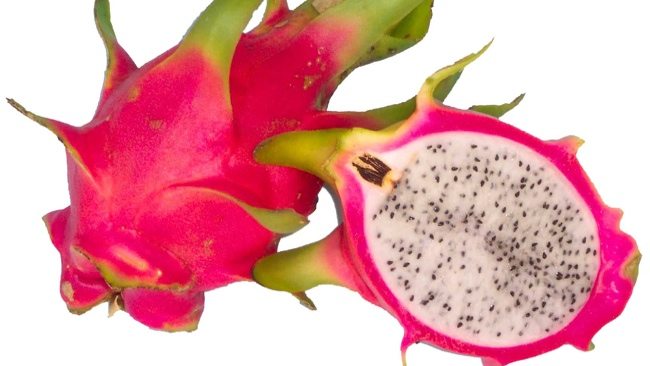
It is one weird looking and oddly beautiful fruit. On the outside, Pitaya has a deep pinkish red color (although one variety of the fruit is golden yellow) with green scaly leaves. On the inside (the part you eat) you will find flesh ranging from white to deep red spotted with small seeds.

Dragon Fruit Nutrition

Grown in California, Central and South America, and Southeast Asia, Pitaya is the fruit of a cactus plant. Nutrition for the dragon fruit includes:

  • 60 calories per 100 gram serving
  • 1 gram of fiber per serving
  • 9 grams of carbohydrates per serving
  • The fruit’s edible seeds contain heart healthy monounsaturated fats and omega-3 fatty acids.
  • Studies show dragon fruit is a significant source of antioxidants, which can prevent free radical damage that can lead to premature aging and disease.
  • The fruit is high in many important micronutrients such as vitamin C, calcium, and vitamin A.

Pitaya Health Benefits

There are interesting studies featuring this exotic fruit, which show that  pitaya may have other health benefits, as well.

  • One study showed that dragon fruit had a notable impact on oxidative stress and aortic stiffness in diabetic rats, suggesting the fruit may be beneficial at preventing complications associated with diabetes.
  • The same study indicates regular consumption of dragon fruit may lower the risks of developing heart disease and developing high blood pressure.
  • Dragon fruit is high in antioxidants. Studies show that antioxidants may be effective at lowering risk of certain types of cancer.
  • The seeds contain omega-3 fats. A great deal of research shows that omega-3 fatty acids can fight inflammation and autoimmune diseases.
  • Because of its nutritional makeup, including antioxidants, monounsaturated fats, vitamins, minerals, enzymes, and fiber, pitaya is a beauty-enhancing fruit.

Eating Pitaya

Because pitaya is a fruit, it moves very rapidly through your digestive system. In The Beauty Detox Solution, I recommend eating fruit first thing in the day or on an empty stomach so your body can make the most of the beneficial nutrients and enzymes. You don’t want fruit to get stuck beyond a heavier food, where it can begin to ferment in your system and create toxins. This same rule goes for dragon fruit.

You can eat pitaya alone, or you can include it in delicious smoothies.

Pitaya Smoothie

  • Flesh of one dragon fruit
  • 1 cup banana
  • 1 cup coconut water
  • 1″ ginger nub water

You can also eat the pitaya by itself. To prepare a pitaya:

  1. Cut the fruit in half, lengthwise.
  2. Using a large spoon, scoop out the pitaya’s flesh.
  3. Trim away any extra inedible skin.
  4. Cut into cubes and eat or use in smoothies or fruit salads.

Taste and Texture

Dragon fruit has a pretty mild taste, especially in contrast to its rather extreme looks! It is similar to melon in its taste and texture, and it’s not too sweet. The flavor is quite delicate with pear-like notes. If you buy a pink-fleshed pitaya, your smoothies will have a vibrant, beautiful color.

Where to Buy

I’ve seen dragon fruit in the produce aisle at many grocery stores. You can also find it at Whole Foods, in produce stands, or in its dried form at many natural food stores. I recommend buying organic dragon fruit and reading dried fruit labels to ensure no sugar or chemicals have been added.

dairy bad for you

The Dairy Industry in Trouble: Good News/Bad News

I recently saw something in the news that caught my eye. It was a news report about how the United States dairy industry is in crisis. According to the Wall Street Journal (WSJ), American milk consumption has decreased significantly – almost 30 percent since 1975.

While I wouldn’t want to be gleeful about anybody personally suffering of course, I couldn’t help feeling, okay, well yes, gleeful, about this industry news. I am not a fan of dairy and do not think anybody should consume it. I believe it leads to myriad health issues and supreme and unnecessary suffering for many, many people. Dairy is not people food. Period. Too often the news is about big, Monsanto-esque corporations and/or its lobbyists winning out at the expense of the public’s health. But not so in this case my friends. This one is for the people! Here are the various sides of this piece of news, as I see it:

The Good News

First, let’s talk about the good news! If Americans are consuming fewer dairy products, well, people are choosing to consume less dairy products. Yay! The decreased demand will cause the dairy industry to scale back production. Why is this good news? There are so many health and environmental issues associated with dairy production and consumption. I feel that more and more, the tide is turning and more people (like you!) are spreading the info and the word is getting out that dairy is not health food. Let’s review a few key points, after a great quote I wanted to share with you:

If you are willing to stop eating just one group of foods, you will experience the most profound improvement in your health and appearance by eliminating all dairy.

                                                                                           – John A. McDougall, MD

milk is acidic for the body1. Dairy products are extremely acidifying in the body.

While the dairy industry has advertised for years that milk makes bones stronger, the opposite happens when you consume a lot of dairy. In The China Study, T. Colin Campbell explains that when you consume milk, it creates a net metabolic acidity in the body. In order to neutralize that acidity, your body draws salts such as calcium and phosphorus from your bones so it can return to its naturally alkaline state. The result is weakened bones and teeth – just the opposite of what the dairy industry has been suggesting all these years. Countries in the world that consume very little dairy, like China, experience very little osteoporosis.

2. Milk is meant for baby cows – not baby humans.

In fact, human beings are the only species that insist on consuming milk after infancy. Unfortunately, the milk humans consume isn’t human milk. It’s cow’s milk. Cow’s milk contains two elements that make it very difficult for the human body to process, however. The first, high levels of casein, is milk’s primary protein. Difficulty digesting protein can cause damage to the intestines and stomach, which can lead to autoimmune and malabsorption disorders and poor health. The second part of cow’s milk is very difficult for humans to digest is lactose, which is the sugar in milk. Many people have a strong intolerance for lactose, which can cause digestive disorders and upset.

cows treated with antibiotics3. Milk may contain hormones, antibiotics, and chemicals

that cause endocrine disruption and have been associated with developing certain cancers. One of the most worrisome of these chemicals is recombinant bovine growth hormone (rBGH), a genetically engineered growth hormone used to increase milk production in cattle. According to the Cancer Prevention Coalition, Canada and European countries have banned American milk because it contains this hormone, which has been linked to increased rates of cancer. Milk containing rGBH is not labeled in the United States.

Likewise, many farmers maintain dairy cattle in extremely crowded conditions, providing genetically modified feed. To combat the disease associated with the crowded living conditions and feed that isn’t a natural part of a cow’s diets, farmers often put antibiotics in the feed. This winds up in the milk and contributes to antibiotic resistance and toxicity in the human body.

4. Dairy production is extremely toxic to the environment.

While some small organic farmers to tend to their cattle naturally, keeping them hormone free and pasture-fed, they are in the minority. Instead, dairy production has become industrialized. Industrialized dairy farming causes large-scale pollution due to animal waste, farm machinery, and fuel usage for shipping dairy products across the country.

Additionally, the hormones, antibiotics, and other chemicals used in dairy production work their way into the soil and groundwater, eventually making their way into lakes and streams.

Almond Milk better alternative to dairy5. The other reason decreased dairy consumption is good news is because there are so many healthier alternatives to dairy available on the market today.

These alternatives include nut milks such as almond and coconut milk, as well as rice and hemp milk. Soymilk is also widely purchased, although soy has its own issues (including often being genetically modified and mimicking hormones in the human body). I recommend choosing almond milk over soy milk.

If you do choose to drink alternatives to dairy, I recommend unsweetened almond or hazelnut milk. You can even make your own following this recipe. (“UPDATED: NOW AND AT GLOW BIO, WE USE A THINNER PERCENTAGE, WHICH IS 1 CUP ALMONDS, 4 CUPS FILTERED WATER. I LIKE IT THINNER NOW!”)

The Bad News

Unfortunately, according to the WSJ article, the other reason dairy consumption is flagging is because people are turning to less healthy and non-environmentally-friendly alternatives to milk such as vitamin water and bottled water. So it isn’t actually because everyone switched over to making their own almond milk. At least not yet! Let’s not give up on that one.

These aforementioned drinks are typically packaged in plastics and may contain a bevy of sugar or artificial sweeteners (sucralose, crystalline fructose and the like), which are not natural, beautifying ingredients. Likewise, individual serving bottles litter landfills and utilize massive amounts of petroleum products in their production. A better alternative to individual servings of bottled drinks is to purchase a BPA-free reusable water bottle that you keep filled with clear, fresh water.

Beware the Marketing

almond milk has more protein In order to compete with the burgeoning beverage industry, the dairy industry is beginning to change how they package and market dairy products. The strategy is two-pronged: slapping stickers on dairy milk labeled as “real”, to imply that almond and other dairy milk alternatives are “fake”, and repackaging milk products in a manner more attractive to today’s consumer, such as increasing the protein content and packaging it in individual sized containers as a fitness-type product.

Just because the milk industry is rebranding its product, however, doesn’t make it any healthier or better for the environment than it was before. Instead of slapping the “real” sticker on dairy, they should slap a “never intended for human consumption” sticker on there. Okay, my sticker is longer and may not be as “catchy”. But you get the point.

Because of the detrimental health and environmental factors associated with milk production and consumption, I urge you to give up any and all dairy consumption. Seek out alternatives. They aren’t “fake”; they are very much real, plant-based, and far better for your body, skin and the environment. Spread the word! Friends don’t let friends eat dairy.

banana for weight loss

Bananas – Nature’s Most Perfect Food?

I absolutely adore bananas, and eat 3 (or sometimes more) every day. Many people avoid them because they worry that they are “fattening.” But I assure you, if the rest of your diet is balanced and not too high in the slower digesting macronutrients of fat and protein, you can thrive on bananas, as I do.

I believe bananas are one of the perfect foods for humans. If you look down at your hands, you’ll see that your nimble fingers, pushing buttons on your computer to read this right now, were also designed to peel bananas and eat other fruit. We do not have claws for ripping apart other animals, we have monkey-like fingers.

I’ve used my own body for dozens of food experiments. There was a time when I was eating a whole lot more fat, and that was when I was a strict raw foodist. I tried to avoid bananas, because I was told they were made up of “fast-moving sugars” and would pile on the pounds. However, I had more sweet cravings back then, and ended up eating some form of cacao pretty often and lots of raw food desserts.

bananas and fruit good for youNow, I’m still an all-plant eater, but my diet it much lower in fat, and much higher in fruit like bananas. I eat a lot of raw food, but I also eat cooked food. Bananas are low in fat and high in nutrition, as I’ll get into, below. I actually weigh almost 8 pounds less now on this type of diet- filled with bananas!- then I did when I was a raw foodist and avoided them. I’ve taken many a client off a high protein, no fruit (but it’s sugar they cry out at first!) diet, and watched them grow years younger and sizes slimmer before my eyes.

Remember, your diet has to be balanced overall. For instance, you can’t just cut out gluten and eat low-nutrient gluten-free foods like corn and potato flour-based replacements and expect to improve. You have to cut out the gluten, and make better choices. And likewise, when you start eating more bananas and fruit, you want to be sure you’re not eating so much heavy and slow digesting foods- namely fat and animal protein in your overall diet. You may find, as I did, that by eating more bananas, which come in a complete nutritional package, you don’t have as many cravings for desserts and sweet things.

bananas are high in potassiumBanana Nutrition

Bananas are high in potassium (about 600 mg per medium banana), which is an important mineral and electrolyte necessary for muscular function and digestion. Potassium also helps balance the effects of sodium on your body. As other natural plant foods, bananas contain fiber (3 grams in a medium-sized one). Bananas also contain vitamins A, B, E, K and C as well as 6 mcg of folic acid, which is essential for red blood cell formation.  All of this comes in a tasty package that has about 105 calories with 0 grams of fat.

High-Energy Food

Bananas fell into disfavor with many people during the rise of low-carbohydrate diets. Because of this, many perceive bananas to be sugary and starchy. While bananas do contain natural fruit sugars, they also come in a complete nutritional package with fiber and vitamins, so they don’t unbalance your blood sugar like refined sugars.  A banana has a glycemic index rating of between 40 and 52, which is much lower than foods like white bread or table sugar. Meanwhile, the carbohydrates in bananas can help provide quick-acting long-term energy.

Bananas and Digestion 

Bananas contain natural oils and enzymes that help your body easily digest them, so they won’t weigh down your digestive tract, and in fact help lubricate it. The fiber in bananas can also help keep bowel movements regular, while the electrolytes this fruit contains can help restore electrolytic balance if you are experiencing digestive issues such as diarrhea. Again, bananas are perfect, natural human food.

Natural Antacid 

Bananas digest with a net alkaline pH that keeps your body in balance. Some studies have even shown that banana pulp increased mucosal thickness of the stomach lining, protecting it against acids and ulcers. Bananas also contain protease inhibitors, which protect against the stomach bacteria that can cause ulcers.

prebiotic differencesPrebiotics

Bananas contain fructooligosaccharide, which is a prebiotic. Prebiotics are substances that feed probiotics in the intestines. The consumption of prebiotics can help increase the levels of healthy bacteria in your gut, promoting internal cleansing and providing protection against disease. A healthier bowel also improves nutrient absorption, which can have overall beneficial health and beauty effects.

Protective Health Benefits

bananas regulate glucose levels

Along with potentially preventing ulcers, the nutrients in bananas contribute to a number of health benefits:

The Perfect Food for Humans

Bananas come in a natural “package”, which helps them retain freshness yet is extremely easy to peel. Like our banana-loving relatives the chimpanzees, we have the perfect length and shape of fingers just made for peeling bananas. Bananas also offer a source of natural nutrition in a whole, completely unprocessed food.

ripe bananas are better for youBuying and Storing Bananas

You can get organic bananas all year at your local natural foods store. It’s perfectly okay to buy green bananas – they will ripen on the counter. But try to get them as ripe as possible so you don’t have to wait so long to eat them. Select bananas that are firm and un-bruised.

Store bananas at room temperature. Do not refrigerate them, or they will stop ripening. They are the best when they have some brown spots on them. That’s like Christmas for me, when I devour them. Riper bananas are sweeter, and they also have higher levels of antioxidants than unripe bananas.

Stop Avoiding Bananas

If you’re one of the people who got the misinformation bananas were “fattening”, don’t worry. The good news is bananas are great for you. They will support health and beauty, give you energy, and they taste great. If you haven’t had a banana in a while, get peeling. Your body will thank you.

citrus fruit mood booster

21 Quick and Easy Bad Mood Busters

Everyone gets a little cranky now and then – including me. You know those days when you just feel like a grump, and you can’t even pinpoint why?

You don’t have to be Oscar the Grouch all day though (unless you want to sulk with your grumpy self). There are some things you can do to boost your mood, which aren’t difficult and can help.  Here are some quick tips to chase the blues away quickly. Try them the next time you’re in a bad mood!

1. Smell some citrus.

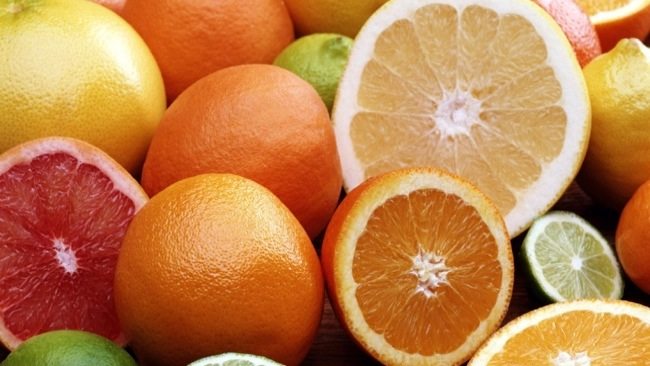
Bright scents like lemon and orange can quickly lift your mood, leaving you feeling better. Peel an orange or slice a lemon and take a sniff. Or keep essential oils of citrus in your purse that you can take a whiff of.

peppermint tea2. Brew some peppermint tea

A study in the International Journal of Neuroscience showed that the aroma of peppermint boosted mood and cognitive performance in test subjects.

3. Do a good deed

Altruistic acts can immediately boost mood by reducing stress, according to several studies. You can attain the “helper’s high” by volunteering at a local charity or even giving up your seat on the subway to someone who needs it more. Sometimes, I find even just smiling at someone that looks sad makes you- and them- feel better!

Relaxing bubble bath 4. Give yourself a little treat

Take a warm bath, buy yourself some flowers, call a friend you haven’t talked to in a while, or just sit with your feet up for a few moments. By taking care of yourself, you can reduce stress and lift your mood. One of my favorite things to do is prop my feet up a wall and lay back with one hand on my heart and one hand on my belly.

5. Meditate

A 2010 study on mindfulness meditation in Marines heading to Iraq showed that regular meditation practice boosted mood and cognitive capacity. If you’re grouchy, sit down some place quiet, close your eyes, clear your mind, and focus on your breathing for a few moments. This is perhaps the most important tip of all. My Guru, Paramahansa Yogananda, always stressed that you must mediate to maintain evenness of mind and avoid moodiness. You can check out the Kriya yoga meditation techniques.
yoga for mood booster

6. Exercise

A brisk walk, a few quick yoga poses or twists, or other vigorous activity releases endorphins that can help you feel better fast. Get away from your desk for a few minutes!

7. Set goals

Having something to look forward to and work towards is a great way to boost your mood in both the short and long-term. Is there something you’ve always wanted to do but just haven’t gotten to yet? Set a goal and create a path of smaller goals to get there. Just putting your feet on the path to accomplishment can quickly lift your mood, and remind you of your unlimited power. That should make you happier!
Happiest place on earth

8. Visualize your happy place

Sounds cheesy, but it can work. If you’re feeling super grouchy, close your eyes for a moment and picture a place that makes you happy. For some this is the beach. For others, it’s a field of flowers. Others may enjoy the mountains or a trip to Disneyland. Whichever you chose, spend a few moments picturing it in all of its glorious sensory detail of sights, sounds, and scents. When you open your eyes, you’re sure to feel better.

9. Laugh.

Multiple studies have showed that laughter (even forced laughter) can instantly improve the mood. So get out those comedy DVDs, watch a few funny clips on YouTube or just fake a laugh and you’ll quickly find your mood lifting.

10. Play uplifting music.

Listening to music you really love can lift your mood quickly. So find your favorite music and watch your spirits rise.
beach walk

11. Go outside

A study at the University of Essex demonstrated that even five minutes spent in nature can lift your mood. I always wander outside and conduct as many conference calls as I can outside in the yard- especially since I’m in LA at the moment!

12. Count your blessings

If you’re feeling down, take a few moments to count your blessings. By taking time to be grateful for all you have, it’s easier to set aside small worries. The next time you’re upset, spend a few minutes remembering all of the good things in your life. Annoyed because that guy next to you is a human sweat machine and dripped on your yoga mat? Remind yourself it is a blessing to be healthy enough to practice yoga, and be thankful for your health, your energy, having access to healthy foods and activities…
dancing around

13. Dance!

Dancing combines two mood lifters – physical activity and music. So the next time you feel a little cranky, crank up your MP3 player and get dancing. Sometimes- sometimes!- I like to dance in the shower.

14. Breathe!

Sit quietly and take some deep, calming breaths. Deep breathing can help oxygen flow into your bloodstream, which can improve energy, decrease stress, and improve mood instantly. Try to draw air into your belly instead of into your chest to get the full effect.

15. Play

As adults, we often forget to be playful. Playfulness, however, can quickly decrease stress and boost mood. If you’re feeling grouchy, try playing with a pet or child and see if you don’t feel better.

16. Create

Being creative can boost your mood. You don’t have to paint on a canvas- you can doodle in a notebook at your desk, or put together a creative new way to wear your hair that day or combine several things in your wardrobe. If you’re not feeling particularly creative, then enjoy the creativity of others by browsing an art website or visiting a shop with handmade items.
swing set

17. Swing

When is the last time you were on a swing set? Swinging is exhilarating and a lot of fun. It can also boost your mood, and it allows you to spend time outdoors. So the next time you’re grumpy, head to the local park and hop on the swing set. I don’t see a lot of swings all the time, so my substitution here is bouncing on my mini trampoline for a few minutes, which is a lot of fun also!

18. Let the sun shine

Whether you head outside for a few minutes of sun, sit in a sunny window, or just open your curtains to let the outside in, sunlight can quickly repair a case of the doldrums.
smiling person

19. Smile

Just as faking laughter can improve mood, so can smiling. Even if you don’t feel like it, smile to yourself. You may find you are forcing it a first, but you’ll start to feel better and better the more you do it!

20. Reflect on your accomplishments

Next time you feel grim, think about the many things you’ve accomplished in your life. Recalling even simple accomplishments like cleaning out a junky closet can help you feel better.

21. Tell someone why you love and appreciate him or her.

Expressing appreciation for another can lighten both your mood and theirs, so send an email or call a friend to let them know just why they matter to you.

tanning bed dangers

How to Keep that Sun-Kissed Glow All Year Round

Right now is about the time you may be glancing in the mirror and thinking to yourself, “Gee I’m starting to look like Casper the Friendly Ghost. Note to self- go to the tanning salon or get a spray tan or do something this weekend!” 

I’m a big advocate of getting  moderate amounts of natural sunlight on your skin every day, if possible. The sun stimulates vitamin D production in your body and other health benefits. But as the days grow shorter and sunlight becomes scarcer, many people turn to artificial means to get a little color- not for “health” benefits, but to get a tanned look. The three most popular options are tanning beds, spray tans, and self-tanning lotion. But is getting an artificial sun-kissed glow healthy? Hmm. Nothin’ wrong with wanting to look good, but some options sound a bit shady. Let’s take a look:

Tanning Beds

tanning bed dangersA recent meta-analysis conducted by scientists at University of California San Francisco found that the use of indoor tanning beds is responsible for about 170,000 cases of non-melanoma skin cancer in the United States every single year. Likewise, in 2009 the World Health Organization’s Internal Agency for Research on Cancer classified indoor ultraviolet tanning devices as a Group 1 carcinogen (carcinogenic to humans). This ruling was based on 20 studies that showed risk of cutaneous melanoma increases by 75 percent when one starts indoor tanning before the age of 30.

While this increased risk of skin cancer is reason enough to avoid any type of UV sunlamps, there are other reasons, as well. The September 2009 issue of Harvard Women’s Health  also warned that tanning beds significantly increased photoaging and other types of skin damage. Photoaging contributes to poorer skin quality, loss of elasticity, wrinkles, and dark spots, according to the Skin Cancer Foundation. This occurs when UVA rays penetrate your epidermis, causing increased elastin production, which degrades your body’s ability to generate collagen. This results in poor skin quality because the skin is no longer able to repair damage without sufficient collagen.

Many tanning salons advertise “safe” tanning beds that use only UVA rays. These tanning beds are no safer than those with UVB rays, according to some experts.  While the UVB rays do cause more cases of skin cancer, UVA rays increase the damaging effects of UVB, and are therefore no more “safe” for tanning. Likewise, The Stanford Medicine Cancer Institute cautions that exposure UVA rays also increase the risk of developing cataracts.

So, in other words, it’s best to skip the tanning beds.

dangerous spray tanningSpray Tanning

Spray tanning is extremely popular, especially in the winter months. An ABC News investigative report looked into the health risks associated with spray tanning in June of 2012 and raised concerns about one of the key chemicals used in spray tanning formulations: dihydroxyacetone (DHA). According to the ABC report, which was generated by a panel of experts, DHA has the potential to cause genetic alterations.

DHA works by interacting with amino acids to produce melanoidin pigments in your skin. The result is a tan. While the FDA has approved DHA for topical application, it restricts it to external use only. When you receive a spray tan, you inhale some of this harmful chemical. Further research is required, but the FDA does not approve the use of DHA in spray tans or for use in areas near mucous membranes including the nose, mouth, and eyes. The organization states this specifically in the aforementioned report, and they list reported adverse effects of spray tanning that include rashes, dizziness, coughing, and fainting.

The bottom line: There’s still a lot of research that needs to be done on spray tanning; however, I don’t recommend it because of the danger of inhaled chemicals. I’ve never gotten one personally, and to me, it’s just not worth it.

self tanning lotionSelf-Tanning Lotion

Like spray tanners, self-tanning lotions use DHA to stimulate the production of melanoidin pigments. While the FDA does approve DHA for this use, some studies show that skin, does indeed absorb DHA molecules, allowing it entry into the body. This increases based on the level of DHA in the product used. Sunless tanning creams may also cause contact dermatitis and similar reactions.

The bottom line: Self-tanning lotions are probably the safest of the above three options, although those self-tanners with concentrations of DHA above 10 percent pose higher risks. Still, many self-tanning lotions contain petroleum products and chemicals that contribute to your body’s toxicity, and DHA still poses risks. In light of how difficult it is to achieve an even, attractive tan from a self-tanning lotion (along with that self-tanner smell, which many people find extremely unpleasant), it’s not steller either.

Safe way to get tanA Better Alternative

First, I’ll say that untanned skin is not unattractive. If you are following the Beauty Detox lifestyle, your skin will start glowing and looking radiant, no matter what the shade, and that is beautiful.

Still, if you want a little color, I have a healthy alternative that I love! One of my favorite cosmetic companies, Vapour Beauty, makes a great bronzer that you can use to give yourself a little glow. Vapour’s Solar Translucent Bronzer is made with 70 percent organic and 30 percent natural ingredients, including antioxidants that actually make your skin healthier. It comes in three shades, and just a small amount creates a beautiful glow.

You don’t need to get a fake tan this winter.  For times you want to appear just a bit sun kissed, even in the winter, try Vapour’s Solar Translucent Bronzer, a natural and healthy way to get a little color.

Untitled 3

9 Tips for Fighting the Winter Blahs as the Days Grow Shorter

We’re rapidly approaching the shortest days of the year. In some places, it’s getting dark as early as 4:30 right now. I often hear people comment about how depressing it is when they drive to work in the dark and return home in the dark. Or if they have an office job, and leave at the end of the day and it is already dark.

But from a yoga perspective, the winter solstice is the true new year, where you let go and bring closure to the past year. Out of the dark comes the seeds of new growth, and the emergence of light and new beginnings. It is a time to contemplate all that doesn’t serve you anymore and let go, as you allow for more space to let the new in.

But still…on an every day basis, the dark days of winter can be a bit of a downer. For some people, the lack of sunshine leads a condition even more severe than the winter blues – Seasonal Affective Disorder (SAD).  Causes of SAD may arise from a change in serotonin levels due to lack of sunshine, as well as possible hormonal imbalances.  ,

Even if you don’t meet the clinical requirements for a diagnosis of SAD, the winter blues are understandable. Lack of sunshine, bad weather and stress from the holidays can all leave you feeling more than a little frazzled. For many people, stress can also trigger poor dietary and sleep habits.

But it doesn’t have to be that way. Harness this potent time for new beginnings and growth. Here are my recommendations for a little pick-me-up during the winter months.

1. Get outside

Untitled 3

Sure the weather is poor in many parts of the country, but that doesn’t mean you need to stay holed up in your house. Try to spend a little bit of time outside during daylight hours every day. According to an article in Issues in Mental Health Nursing, insufficient vitamin D levels are associated with depression. Since your best source of vitamin D is sunlight, it’s understandable that during the winter months these levels drop.

To counteract this, head outside for 20 minutes whenever possible. Try taking a brisk walk during your lunch hour or stepping outside for a few minutes during your breaks at work. The sunlight and fresh air will give you a mental boost that can make you feel better! Just bundle up with a hat and gloves, if needed, and you’ll be happy you got out.

2. Exercise

Untitled 4

You have to move that body to avoid feeling lethargic and heavy!

According to the National Health Service in the United Kingdom, exercise is an excellent way to fight the winter blues. One study showed that getting some form of aerobic exercise three times per week effectively improved symptoms of mild to moderate depression. Another study showed the regular practice of yoga could lessen anxiety in women.

Don’t you love modern studies that back up ancient practices that have been used for centuries prior? :)

3. Take vitamin D supplements

While your best source of vitamin D is sunlight, getting enough sunshine during the winter months isn’t always possible in certain climates. In an article for Psychology Today, James M. Greenblatt, MD recommends D3 supplementation as one factor in improving mood for cases of SAD.

4. Include whole grains and raw seeds in your diet

Untitled 6

Whole grains such as quinoa  contain high levels of tryptophan, an essential amino acid that regulates the levels of serotonin in the brain. Studies have shown that tryptophan is better than placebo at alleviating depression. Other foods high in tryptophan include raw sesame and pumpkin seeds.

5. Eat foods rich in omega-3 fatty acids

The typical Western diet creates an imbalance between omega-3 and omega-6 fatty acids. This imbalance can lead to a host of health issues, including depression. One study showed that increasing levels of omega-3 fatty acids reduced symptoms of depression.

Foods rich in omega-3 fatty acids include flax, hemp, chia, and pumpkin seeds, as well as vegetables like cauliflower, Brussels sprouts, and purslane.

6. Avoid caffeine, refined sugar, and alcohol

The winter blues can leave you feeling a little blah. When this happens, many people feel it’s natural to self-medicate by turning to substances that pick you up and/or calm you down. Using these substances, however, can wreak havoc on your energy, lifting you up and then causing you to crash. To keep your mood steadier (and your body healthier), stick to a non-processed diet of whole foods and skip these unbalancing entities.

candles7. Relax

It’s easy to burn the candle at both ends during the winter. Relaxation is an important part of fighting anxiety and depression, however. It’s important during these winter months you take regular time for yourself. Sit with your feet up, gaze out a sunny window (another great way to get sunlight without going outside on the coldest of days, by the way), meditate, or engage in hobbies you enjoy. Stopping and taking time for yourself is essential for recharging and renewing during the busy winter months.

Reflect on what you are letting go of, and what you want to create as the light comes forth again.

Untitled 68. Laugh

Whether you spend time with funny friends, go to a comedy club, or take in the latest funny movie (Wedding Crashers, Zoolander and Forgetting Sarah Marshall are some of my personal classic funny faves!), laughter is a great way to fight the winter blahs. Multiple studies have shown just how effective laughter is at staving off anxiety and depression, so make sure you take time regularly to get your funny on, and you’ll feel better this winter.

9. Start each day with a Glowing Green Smoothie


Untitled-48Winter causes many people to eat heavier, heartier foods in an attempt to warm themselves from the inside. Lightening up what you eat, however, may just help lighten your mood. That’s because when you eat heavy foods, your body diverts a great deal of energy to digestion. Lighter fare allows you to use that digestive energy for – well – energy! Packed with vitamins, minerals, enzymes, and fiber, the Glowing Green Smoothie (GGS) is energy in a glass. And since it won’t weigh you down, the GGS gets every day off to the perfect start, helping you feel light and energized all day long.