
For anyone who is an adult reading this, there is a good chance that you associate peanut butter with warm childhood memories. After all, what was more common than PB & J sandwiches, back in the day? But more and more, the potential health dangers of peanuts in general and peanut butter are coming to light. Yes dangers! I know it is scary to think that such a common food can actually have major issues with it. So much so, that hopefully future generations might have the same fond memories of almond butter or other such alternatives instead.
Just last week saw a massive recall of peanut products ranging from the nuts themselves to products containing peanut butter. The recall started in September, when peanut butter sold at Trader Joe’s was found to contain a strain of salmonella that caused an outbreak including 29 cases in 18 American states. Last week, the recall expanded to include all raw and roasted peanut products made by Sunland, Inc. For more details on the peanut recall, you can visit the FDA’s website.
Peanuts Very Susceptible to Contaminants
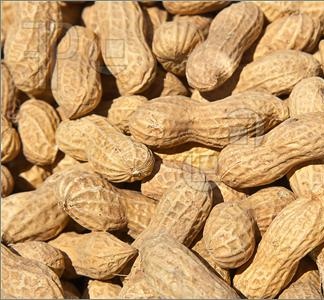 If you follow the Beauty Detox lifestyle, it probably comes as no surprise that the peanuts were susceptible to salmonella contamination. In The Beauty Detox System, I discuss in detail just how susceptible peanuts are to contamination.
One of the most concerning toxins associated with peanuts is a mold that produces aflatoxin. Aflatoxin is a known carcinogen associated with liver cancer. Aflatoxin consumption has also been shown to stunt growth in children. Any food that is creating congestion in the liver may potentially impede its important functions, including detoxification and fat-burning.
Why are peanuts so susceptible to toxins? They are actually legumes, and not nuts. While nuts have a hard, protective shell (think about walnut and pecan shells and just how difficult they are to crack), legumes have a soft, permeable pod. Peanuts also grow underground, because they are part of the plant’s root system. Growing underground with a permeable pod leaves peanuts at the mercy of temperature and moisture conditions including warm humidity that allows for the growth of molds. Peanuts can also grow molds during storage, shipping, or even on grocery store shelves if the conditions are right for doing so.
This is true EVEN for organic peanuts or peanut butter, as it is the nature of the peanut itself and doesn’t have to do with pesticides or herbicides.
Common Allergens
Peanuts are also listed as one of the most common food allergies for humans. In fact, some people have peanut allergies so severe that even breathing air contaminated with a tiny amount of peanut dust or eating foods produced in a factory that also processes peanuts is enough to set off life-threatening anaphylaxis.
Lectins
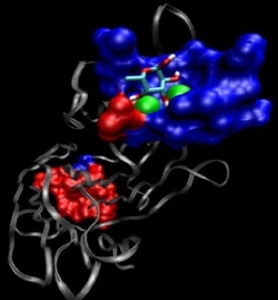 Peanuts, along with other legumes like soy, contain anti-nutrients known as lectins. Lectins are sticky proteins found in many foods including legumes. They serve as a primitive pest-resisting strategy in the plant. The stickiness and structure of lectins, however, makes them almost impossible to digest. They also bind to sugars in cells in the human body, leading to an immune response and inflammation. Lectins have been indicated in a number of inflammatory conditions, including rheumatoid arthritis. They may also wreak havoc on weight management, because lectins have been shown to mimic insulin behaviors in the human body. Some vegetables also contain lectins, but the American Journal of Clinical Nutrition notes that lectin levels vary considerably even among the same vegetable, and vegetables’ lectins are not orally toxic.
Pro-Inflammatory
While the lectins are one aspect of peanuts that may be pro-inflammatory, so is the high level of omega-6 fatty acids they contain. Your body needs both omega-3 and omega-6 fatty acids for good health, an overview of omega-3 vs omega-6. The problem, however, is that the standard Western diet is extremely high in omega-6 fatty acids and low in omega-3s. When omega-3 fatty acids are out of balance with omega-6 fats, as often arises in a standard Western diet, inflammation, heart disease, and other health issues can arise. Using peanut oil in any case or any situation is definitely never, ever recommended.
Pesticide Laden
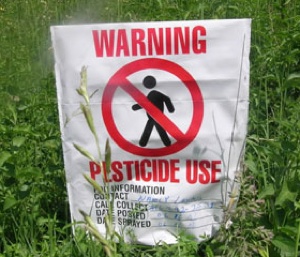 Since molds are an issue with peanuts, non-organic farmers use many pesticides and fungicides on peanut crops. With permeable pods, non-organic peanuts and peanut products may contain high levels of pesticide residues.
What to Try Instead
With all of the potential health dangers associated with peanuts, I don’t ever recommend consuming even organic versions of this legume. If you like a little nutty flavor or crunch, I strongly recommend raw organic almonds, which are high in protein, manganese, magnesium, and vitamin E. Because they are high in calories and fat, I recommend eating just an ounce or two of almonds each day. A little almond butter is great for certain recipes (though don’t overdo it, it is dense!) and is a super easy switch over. If you have little ones try making them Almond Butter-Goji Nuts on a Log!
Know anyone that eats peanut butter or gives it to their kids? Please share this info to spread the word (and save some livers!).

Raw almond butter is so delicious! My kids and I love it. We don’t miss peanut butter at all.
Research states that eating almonds in their raw state are very hard to digest. They need to be either soaked or slow roasted for human consumption.
Hi Kim-
What do you recommend if I am allergic to tree nuts and some seeds and cannot eat almond butter or sunflower seed butter? I was going to try hemp seed butter, but it’s expensive and I am unsure if I am allergic to that too. I am not allergic to Tahini, however it is not a real substitute for peanut butter. Any other good substitues you can recommend?
Thanks for the good info (thorough as always). Is almond butter the only alternative? What is your opinion on sunflower seed butter (Sunbutter)?
Hi Kimberly! Thanks for being such a great source of health and joy in the world :)
Will you please tell me your thoughts on bean and lentil sprouts as I have wondered of they are ok to eat and if there was any concern about what they may do in our bodies? Thanks so much, Happy Day to you !
Hi Kimberly,
What do you think of sunflower butter? I’ve completely moved away from all peanut products, but miss peanut butter. I haven’t found an almond butter I like yet, but Trader Joe’s has a sunflower butter that is delicious so I’m curious what your take is.
Thanks!
Have tried many almond butters, and Justin’s Maple Flavor is totally the best. And addictive! As recommended by my NP, I eat it with an apple. Puts me in a zone I wish would last forever.
Yes, I’m also curious about sunflower seed butter. Please share any research you have on that!
So devastating…
Aflatoxins are not only in Peanuts. Also in Almonds, pistachios and hazelnuts. Spicery like pepper powder and nutmeg can also be contaminated. I just read an Article abou it. It was written in German : https://www.laves.niedersachsen.de/portal/live.php?navigation_id=20053&article_id=73244&_psmand=23
This information is so true. There are risks involved with peanut butter but it is also important to know that consuming raw nuts without soaking them to release the inhibitory enzyme that makes them nutritionally available. Nuts, seeds, and legumes, and soybeans contain these inhibitors as a naturally occurring mechanism to keep from deteriorating. In the presence of moisture this enzyme inhibitor is released and all the great enzymes are released for our consumption. I soak nuts overnight in filtered water and sea salt then lay them out in the food dehydrator to dry and crisp them. They are awesome. They can be ground in vitamix or champion juicer to make butter.
Great web site. Lots of helpful info here. I am sending it to some pals ans also sharing in delicious. And naturally, thanks on your sweat!
Eye-catching component of material. I recently found your web site plus accession investment capital to state i always get involved reality cherished profile the web site posts. By any means I am subscribing to the for and in some cases I personally achievements you have admittance to persistently speedily.
What is your opinion on peanut butter made from Jungle peanuts? I have seen a Raw Organic Wild Jungle Peanut Butter at whole foods am I am so curious! Thanks
Of all the research I have seen on jungle peanuts and using them myself I have only found a teach full of of those allergist to jungle peanuts.
And those that were affected could possible have been purchased from a vendor who distributed other nut products?
The pots nest together for quick and easy storage, saving valuable cabinet space.
The Ridge-It is a permanent fall protection roof anchor designed to install easily and discreetly with the option
to provide an access point on each side of the
roof.
So many foods dangerous to health, even water, I am perplexed with all the web articles..
It was only recently that I found out that peanuts were’nt nuts at all. Almonds and almond butter are now staples in my household -Niko
This article is informative, but make note that it failed to address the problem we are now up against with Almonds since 2007. Almonds, a nice substitute for peanut as stated in this article is being blasted with carcinogenic chemicals through furmigation. Please inform yourself about this before ingeting almonds or products made with almonds. This is serious stuff that should not be taken lightly. Stick with wholefoods organic almonds which specify that the almonds are steam treated, or just stay away from almonds altogether. Better safe than sorry. People please look this up, get informed and share with others.
Articles like this MIGHT be informative, but while the fear-based writing suggest how dangerous peanuts are, I want some definitive studies. 21 cases of salmonella is “peanuts” (pun intended) considering the overall consumption in this country. I also want to know how many diets consist of an imbalance of Omega-3 versus Omega-6 and the studies that show this in itself leads to inflammation or heart disease. How many children have had their growth factually stunted. You are selling a product and I can respect and admire that, but articles like these needs factual studies backing it up, otherwise it can cause a massive amount of panic for no reason. Look at the inoculation problem in this country based on one really bad faulty publishing which was recanted and still people aren’t inoculating their children.
you are correct in asking for proof but regarding the vaccines, the government has conducted many studies willfully transmitting diseases on people without their knowledge so people have much reason to distrust vaccination programs, which -granted- are most likely necessary to ward off epidemics but at the same time might be used to conduct hidden research or even introduce undisclosed elements on the bodies of the patients.
Definitely pent subject material, be thankful in support of picky facts . ggfacfccfecd
I once went to South America and ate Mani-de-la-terra. Which means Peanut of the earth. I almost died and didn’t realize until recently that they probably had mold on them. I remember that they were dusty. Like they had just been pulled out of the earth and packaged. What a night mare. I almost died in a foreign country. I was so young. Crazy.
Good stuff. I am personally cut off all foods with Lectins and sure PEANUT butter and just nuts. I can tell you I never feel better. I mean all breads, pasta and nightshades veggies… feelin good
That’s great Petr…keep up the great work! ;)