
Perhaps you don’t think about your kidneys very much. If you practice yoga, your instructor might say something like, “Breathe into your kidneys,” and you have no idea what they are talking about!
Well, your kidneys are workhorses that play a very important role in your body. Located just below your rib cage on either side of the spine, your kidneys are about the size of your fists. According to the National Institutes of Health, the organs filter more than 200 quarts of blood each day, filtering around 2 quarts of waste products! From the kidney, waste products and water filter to the bladder, and you release it as urine.
Keeping your kidneys healthy and functioning, then, is essential for detoxifying your body and removing wastes. Unfortunately, many foods can harm your kidneys and keep them from functioning at optimal levels. Here are the top seven.
1. Meat
 Diets high in animal protein can cause kidney damage. In fact, according to the Mayo Clinic, a high-protein diet may cause or exacerbate existing kidney problems because protein metabolism places a heavy load on the kidneys, making it difficult to eliminate its waste products.
A 2003 study in the European Journal of Nutrition showed that a diet rich in animal-based proteins could also increase the risk of developing kidney stones from uric acid, while a vegetarian diet lowered the uric acid and prevented formation of stones. Uric acid is one of the common causes of kidney stone and is a byproduct of eating foods that are high in purines such as meat, seafood, and fish. These foods may also trigger the other common type of kidney stones, calcium oxalate stones, because they increase the amount of calcium excreted in urine, as well as affect your digestive probiotics. How? Animal protein metabolism leaves an acidic residue in the body. Because your body favors an alkaline state, it pulls calcium and other mineral salts from the bones in order to return you to that alkaline state. This calcium can form calcium oxalate kidney stones.
Instead, eat a variety of veggies, grains, seeds, and nuts (the best foods to eat while pregnant!) and you’ll get all of the protein your body needs.
2. Salt
 Your body needs a little bit of sodium in order to maintain proper fluid balance, but you can get enough from eating fruits and vegetables. Many processed foods, however, add a great deal of salt in order to enhance flavors. The most commonly used form of salt is processed table salt. When you eat too much salt, your kidneys respond by retaining water in order to dilute this electrolyte in your bloodstream to maintain proper heart function. This places a load on the kidneys. According to the Harvard School of Public Health, long-term intake of too much salt can damage the kidneys along with the heart and aorta. Salt intake may also raise blood pressure, which can cause damage to the kidney’s nephrons, which filter wastes.
If you must add salt, use just a pinch of high quality Celtic or Himalayan sea salt.

pre-order your copy now!
Tips, tools and over 100+ amazing plant-based recipes to Feel Good now and boost your health, healing and happiness. :)
3. Genetically modified foods
 A large percentage of our processed foods contain genetically modified ingredients including corn, soy, rice, sugar cane, sugar beets, and canola. Seeds are genetically engineered for a number of reasons, including to increase pest resistance, make the plant immune to herbicides, or improve crop yields. Monsanto corporation is one of the largest makers of genetically modified seeds. A 2009 mammal study conducted on three types of genetically modified Monsanto corn showed negative health effects on the kidney and liver functions of rats. The researchers concluded that the three varieties tested created a state of hepatorenal (liver and kidney) toxicity.
Unfortunately, research on the long-term health effects of genetically modified crops on humans remains poorly studied at this time because genetically modified foods have only been a regular part of the Western diet since 1995 when Monsanto introduced the GM soybean seed that was immune to the herbicide Roundup.
Since we have not yet been able to measure the long-term effects of GM crops on humans, it is best to avoid them.
Instead, opt for organically grown produce and avoid common sources of GM ingredients such as processed and prepackaged foods.
4. Artificial sweeteners
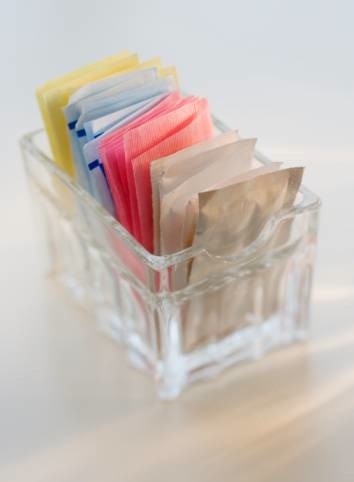 Many people believe they are doing something healthy for their bodies when they consume artificial sweeteners because these ingredients are non-caloric. In a review of the Nurses Study, researchers looked at the role of artificial sweeteners on kidney function and found that there was an increase in kidney function decline with intake of just two diet sodas per day.
Your best bet? Skip the artificial sweeteners and stick with stevia if you need a little sweet.
5. Carbonated beverages
Carbonated beverages such as soda (with or without artificial sweetener) and energy drinks are associated with the formation of kidney stones. A 2007 study demonstrated this, showing that drinking two or more colas per day was associated with an increased risk of chronic kidney disease.
Instead, have plain water with organic lemon.
6. Dairy products
The problem with dairy products is similar to that of other animal proteins. In fact, the China Study showed that consuming dairy products increased the excretion of calcium in the urine, which has been associated with a higher risk of developing kidney stones. According to KidsHealth.org, reducing dairy can help people with kidney failure and kidney disease, because it can make the filtering work of the kidneys easier, delaying the need for dialysis.
Instead, try some unsweetened almond milk.
7. Caffeine
 Caffeine in coffee, tea, soda, and foods can also place a strain on your kidneys. Because caffeine is a stimulant, it can stimulate blood flow, increasing blood pressure and stress on the kidneys. A 2002 study in Kidney International showed that long-term caffeine consumption exacerbated chronic kidney failure in obese and diabetic rats. Caffeine consumption has also been linked to kidney stone formation by increasing calcium excretion in urine.
Need a pick-me-up? Try Glowing Green Smoothies.
Great post. Love your book.
while I do believe in some of her advice, I can only attest to the fact that all things in moderation seems to be the key….my dear father in law is 96 and had the worst diet ever….i believe that what is good for one is bad for the person next to you! I have known people who eat well and exercise and then die at 40.
Just sayin…..
Go read “Nutrition and Physical Degeneration” by Dr. Weston Price.
About how eating foods like this may not make YOU die younger, but your kids will have weaker DNA as a result, and they’ll be way more likely to have birth defects, disorders, &c.
It’s in the public domain, so you can find it in free e-book form, if you’re so inclined.
Great read. Shows that diet isn’t just a personal issue.
People 100 years ago used to eat whatever they like and no one of them lived less than 90 years. No matter of food at all. our body exercise itself only if it has to otherwise not. Those people dint have option other than doing most hard work. Rate of Tension was zero. No pollution, No modern fertilizer in food grains, veg and fruits. Now the person does not go to bed until he is full with tensions and worries. Other thing people were religious and spiritual at that time. so to be healthy in real we need to go back 100 years.
I agree, it has much more to do with stress and tension than it is food related. I do also agree that eating in moderation and not over indulging in anything helps a great deal also.
Thank you so muh Kimberly! I appreciate you letting us know “important” stuff from time to time!!!
Hi Kimberly,
Informative article and thanx for it.
I wish you would also mention that oxalate rich foods do tend to form oxalate crystals and stones. Examples of such foods will be rhubarb, beets, okra, spinach, Swiss chard, sweet potatoes, nuts, tea, chocolate and soy products.
Purine rich foods should also be moderated as they can cause uric acid stones. Such foods are sardines and anchovies, organ meats, bacon, scallops and shrimp, veal, venison and brewer’s or baker’s yeast
Well it does seem that a lot of foods can damage your kidneys but that does not mean you should stop eating them. Moderation is the key and most important:- Drink about 12 to 15 glasses of water spaced out during the day. This will ensure proper flushing of the kidneys and prevent crystal and stone formation.
If you are having kidney disease, you may have to avoid these foods of course.
As a kidney donor, I particularly appreciate this!! Following the “Kimberly Plan” is part of my commitment to myself and family to care for my health post donation, and I love that you are helping others care for their health and this critical organ! Love, love, love you!
Lynn boschee your amazing :) Godbless you!
Kim- is sea salt OK? In addition, I’ve read that individuals with adrenal fatique should consume more salt. Is this true?
Hi Kimberly! I’ve been following your book for about 6 months now, and have experienced so many positive results, so thank you very much!!! :) I just have a few questions – just wondering if you have nutritional yeast everyday? I can’t have it and was wondering if I’m missing out on something important?
Do you also recommend a particular brand of raw nori sheets & low sodium tamari?
Also, I eat a quinoa & rice pasta once a week – ingredients listed as organic rice, organic royal quinoa & water. It doesn’t specify if it’s brown rice – does this sound ok??
Thank you very much :)
Kind regards,
Julia xo
My mom has kidney stone, do you have any advice how she take them out natrually.
She don’t eat meat or have salt she has high pressure. She does not have caffeine and she doesn’t eat dairy. She has 3 left n it’s been 7 years, any advice help. She got them because she use to take calcium pill told by doctors she stopped of course.Thank you Kim for always sharing.
Quinoa, Millet, high pH Grain, rice, wice, oats acid low pH. Low pH animal intake but avacodo high Protein & high pH. Look sources of Uric & oxyalic acid. Helpful. supplements Magnesium & B6. Get tested nutrittional tested know ypur present stated before taking Supplements. Avoid Governments Med. Nutrition is better. Happy day, Bless you.
Will get webbsite, later..
I have previously asked this but have received no response, I have had barriatric surgery and my diet requires a high protein intake, the sweetners i can go without as well as sugars but what would you suggest in replacing the protein that my body needs
Hi Kimberly, I was recently diagnosed with Colitis Disease. Do you have any tips on how to treat my condition?
Hello Kimberly,
I wanted to tell you that I am a fan of the book and have been following your plan more or less ( the GGS has been a staple every day for the last five months). I have a question about hair loss. I feel the cleaner I get with my diet the more strands of hair fall out. I wanted to know what I can do and should I start taking a B vitamin supplement? Help!!
Hi Kim :)
What do you think of this sunscreen?
LAVANILA The Healthy Sunscreen SPF 40 Face Cream
Ingredients: Zinc Oxide 5.0%, Titanium Dioxide 7.5%, Aloe Barbadensis Leaf Juice* (Aloe, Water), Capric Caprylic Triglycerides (Coconut Oil), Butyrospermum Parkii* (Shea Butter), Glyceryl Stearate, Glycerin, Cetyl Alcohol (Coconut Oil), Jojoba Oil*, Ethyl Hexyl Palmitate (Palm Oil), Morinda Citrifolia (Noni Juice), Calendula Officinalis (Calendula) Flower Extract*, Panthenol (Provitamin B5), Polyglyceryl-3 Stearate (Vegetable Glycerin/Palm Oil), Alpha Tocopherol (Vitamin E), Allantoin (Vegetable), Sodium PCA (Amino Acid), Hyaluronic Acid, Phenethyl Alcohol & Ethyl Hexyl Glycerin (Plant-Based Preservatives), Vanilla Planifolia (Vanilla) Extract*, Green Tea Extract. *Certified Organic
Hi Kimberly, just wondering if you take other vitamins at the same time you take your probiotic in the morning?
Thank you xx
Sorry Kimberly, forgot to ask, I can only afford to take 1 of the dr. Ohhiras probiotics each day – is this ok??
Thank you xo
Hello,
Sorry to jump in here with a COMPLETELY unrelated question but I can’t seem to find the appropriate forum for the info…
I have been incredibly lazy in the way I make the probiotic salad–I just stuff new chopped cabbage into the jar with the old liquid mixture and let it do it’s thing–is this not good to do? If I can do it; how many times would I be able to I use the old liquid mixture before I need to replace it?
Love the book, it’s gotten to be one of my go-to gifts for girlfriends!
Is decaf coffee bad?
Yes, because the method used to decaf the coffee involves chemicals.
Thank you for being an advocate for natural health and beauty! You are an incredible role model and I always enjoy reading your posts!
Thank you so much Jacqueline, much appreciated! xx
How about seltzer water? It is carbonated but unsure if thats one of the “nono’s” for the kidney. Thanks K!
Hi Kimberly,
Is decaf green tea bad?
You can get all 7 on a McDonalds diet. Imagine that!
I hope you’re kidding….Yes you can also probably eat nothing but pure sugar or anything you can find in a vending machine, if you eat less calories…But you’ll also probably look 70 at 50, jus fyi :-/
All 7 of the substances mentioned in the article that can have an adverse effect on your kidneys, Jim means. He is not endorsing a McDonalds diet… fyi…..
Hi Kim,
I keep hearing about how spinach is bad for people who are prone to kidney stones. I would love to hear your thoughts. Maybe a blog post on this would be great?. Thanks!
spinach is high in potassium, as kidney function decreases potassiium builds up in the blood stream and can cause heart rate irregularities…i am not sure about stones
Spinach is sky high in oxalates…
Spinach is high in oxalates. You can still eat it but eat it in moderation. Cooking it will reduce the amount of oxalates.
I just had a kidney stone removed a few weeks ago. I am so leary now about what I eat. Can you help me? I was taking a lot of supplements. I don’t know what to eat anymore. I drink lots of water now.
I believe the important thing to remember about any food is moderation. While all these foods can be harmful to, not only your kidneys, but other systems as well, I have to say that to claim that all these foods do harm to your kidneys is an extreme statement. Anything in excess is bad for you. Again, moderation is key. This is why a tool such as the DRI is in place. Table salt gets a really bad rap, but the truth is it contains iodine, an essential trace element. Without sufficient amounts a person could be at risk for conditions such as endemic goiter as well as cretinism. Protein is essential for the human body as well. Of course if one consumes ten steaks a day then of course they’re placing their kidneys at risk as well as their general health. And while there are diets such as the Atkins Diet that elminate carbs and encourage protein, these diets also recommend that the carb elimination only be done for 2-3 weeks, not for the rest of the person’s life.
Perhaps the bottom line here should be any substance is not good for you in excess. I was once overweight and tried every diet known to man. After I became more active and started working out and running, I began to eat what I wanted, but limit the portion and weigh it out. If I want pizza now, I eat a slice not the whole thing. I’ve lost about a total of 82lbs just from doing this and I still enjoy what I want to eat. The same philosophy applies to this article. Moderation, moderation, moderation.
Please do not assume that all table salt contains iodine. I have found both types of salt in the grocery stores, so the salt you find in restaurants, or at friends houses, may have zero iodine. I salt nothing, and have learned to like the real taste of foods without salt. The iodine I use comes from kelp tablets. To get enough iodine from salt would require you to eat copious amounts of salt, which would be extremely unhealthy.
I have been browsing on-line greater than 3 hours lately, but I by no means discovered any interesting article like yours. It is lovely price sufficient for me. In my opinion, if all site owners and bloggers made excellent content as you probably did, the internet might be much more useful than ever before.
Hi yes what about decaffinated green tea powder and the varity of leaf packs in the plastic containers at the store with spinach, and other greens, i rely on that for my energy source….what are the least harmful everyday foods to keep ur system running lightly?
Hi Kimberly, I love you you are the best :) (I’m saying this while drinking coffee–I know naughty me :-/!)
I was wondering if you had a list of pre-packaged foods that were OK to eat for a woman on the go? I try to eat raw/something I make most of the time, but I like to have snacks on hand just to make sure I don’t “slip”!
I have been spending too much time at the groceries natural, prepackaged section wondering W.W.K.D? (what would Kim do? :) When questioning if I should buy a pre-packaged product. I know that Mary’s Gone Quackers is Okie dokey but would you mind making a list of pre-packaged that are OK? I would love to fill my cupboard with them, because I feel they make me feel “safe” and not prone to eating the really naughty food (Nutella from the jar anyone?? Yes I have been THAT person)
Thank You Amazing, Super Woman :)
D
hi, i have also kidney stone, can you let me know about rice. as since 12 years i am eating as my family told it makes stone. i have stone from my famly side. kindly give me detail about this, thanks
sorry forget to add “not” word in my below post, so i repeat here that i am not eating rice since 12 years. so i should eat or not.
We should take lots of water in our daily life to clean kidneys and lots of fresh fruits and fruit juice to clean kidneys .
I’ve had trouble wirh stone. Let it be knownstaghorn kidney stones are not caused by what u eat. I’ve had percutaneous surgery and laser lithotripsy three times. Almost had no kidney function at all. Fyi I eat very healthy and only drink water with lemon and when I say I drink water I drink about ten eight oz. Glasses per day. Sometimes the body does what it wants even if you do everything right. Sometimes it makes no sense.in fact at the moment I’m once again in agony and will probably need yet another surgery. I feel so lucky haha. But to those of you out there that get large stones for no reason beliwve me yoyr not alone.
You are exactly correct. I’ve had two kidney stones removed. My general practice doctor preached at how eating meat is a leading cause of kidney stones, and so, ad nauseum. I spoke to my urologist – a specialist in the field of kidney stones – said that anybody that tries to push a diet on you in the name of kidney stone prevention is full of hot air. Different bodies simply produce an excess of uric acid, which forms kidney stones. You can eat a perfectly healthy diet and still be prone to stones. Don’t let this article fool you. In fact, it was the inclusion of words like “organic” and inclusions of certain regions (“Himalayan sea salt”? What’s wrong with the other seas?) that made me question the validity of this article. Oh… in the words of my urologist, “Drink beer, at least once a day. I know a lot of beer drinkers and NONE of them have ever had a kidney stone.” He’s a doctor… I should listen to him!
I have had kidney stones from the age of 20 til last week and i am now 50 – this last stone problem was caused from my attempt to be healthy and add chia seeds to my diet along with my lapse on remembering my daily dose of 300 mg of B-6. with going back on the B-6 daily for the last week, i am happy to say that i passed a size 10!!! that was stuck & another from my kidney along with shrinking a size 15 down to 11 that is still in my kidney. i thought that i had read somewhere that there is a certain type of chia seed that doesn’t cause kidney stones??? any idea what that is? and i am possitive that B-6 & magnesium disolve kidney stones and prevent them from returning IF USED WITHOUT FAIL i slipped up for the last time!!!
Hi Laurie,
You may want to ask your doc what the composition of your stones are.
Acidic? (Calcium Oxalate)
Basic? (Calcium Phosphate)
Uric Acid ( diet rich in meats)
Struvite ( kidney infection)
Cystine (rare genetic disorder)
It may help to dial in where your diet needs to change.
Steve
I just had a kidney stone removed a few weeks ago. I am so leary now about what I eat. Can you help me? I was taking a lot of supplements. I don’t know what to eat anymore. I drink lots of water now. plz help me.
According to a 2002 article in the Journal of Rheumatology titled “Gout, Diet, and Insulin Resistance Syndrome”, alcohol produces a greater affect on serum urate levels than a high protein diet. There may also be a link between fructose and purine intake causing gout and other related problems. Excess fructose in the liver causes disturbances in uric acid levels. The link for the European Journal of Nutrition wouldn’t pull up the article, but I am curious as to the level of alcohol consumption in the test subjects. Alcohol/fructose consumption along with high purine foods may be confounding. If your body is functioning properly, increased uric acid intake should also be associated with increased excretion, according to a 1980s Advances in Experimental Medicine and Biology article. Eating sufficient vitamin C and proper hydration can help balance purines in the diet, along with limiting beer and alcoholic drinks, which are high in purines and augment the effects of purine-rich foods. Other foods high in purines that are not animal proteins: yeasts and yeast extracts, peas, beans, lentils, asparagus, spinach, cauliflower, and mushrooms.
So if I can’t eat meat and no dairy products no salt and none of it is good for you what am I supposed to eat they seem prity healthy to me
I eat meat (bison, venison, fish, and chicken) pretty regularly and my kidneys are fine.. then again my body can process raw meat but I think you should add “only some people” or something.
nah men it can happen to anybody so what you basically do is eat in moderation
Dear Kim,
Just came back from a nephrologist who told me I can go back to drinking tea with caffeine. He said it is not dangerous to your kidneys, but Ibuprofin and high blood pressure are the very worst on your kidneys.
Always getting mixed messages.
L
This is simply Chemistry 101. Kidney stones are formed due to chemical reaction or combination of two or more components. Absence of one makes it impossible to form a stone. Take Calcium Oxalate, a form of kidney stone: This stone is formed when there is a saturation of Calcium in the urine caused by too much sodium intake in our food or too much calcium intake. The kidney secrets calcium into our kidney and the minerals in the food we ate that are rich in oxalate binds with calcium and in the absence of high levels of water in the urine these oxalates together with the calcium will crystallize and solidify to form stone. The solution is to reduce sodium intake and elevate your water or liquid intake to a higher than normal level. Drink more than 8 glasses of water daily. I take 15 glasses of water plus other liquids (juice, coffee, tea) daily. Uric acid stones are formed with low water and too much Uric acid derived from too much animal protein such as liver and other protein-rich foods. If you love to eat protein make sure you drink a lot of water and lower to 50% your sodium intake daily.
I used to be suggested this blog by means of my cousin. I’m no longer positive whether this submit is written by way of him as nobody else realize such unique about my trouble. You’re wonderful! Thanks!
Thanks for posting!! I only have 1 kidney as my other one didn’t develop probably while I was in my mother’s womb….anyhow, what you written is what my nephrologist told me. I don’t miss meat….dairy is a harder one for me to give up so I’ve reduced my intake dramatically and once you have some good vegan cookbooks, ya don’t feel like you are missing out. If anything you feel better:-) thanks for posting!
Many new mothers, adjusting to the postpartum period after giving
birth, may be surprised to discover that their hair is beginning to thin approximately four
months after having the baby. Experts in aromatherapy use essential oils prepared from cedar wood, bay, jojoba, lavender, grapefruit, lemon, thyme, rosemary, and chamomile.
Davis finds it ‘helpful,’ but warns against possible side
effects such as breast tenderness.
I’ll immediately take hold of your rss feed as I can not in finding your email subscription hyperlink or newsletter service. Do you have any? Kindly let me realize so that I may subscribe. Thanks.
thank you for your information
but i wanted to know how boost effect your kidenys
becuase some gilr told me
thanks it will help a lot to my mom
Wow! Ultra fascinating document. I will be storing the particular weblog as soon as possible. Appreciate it!
This has been extremely helpful, I’ve had pain in my kidneys for a couple of days which was making me feel very sick, I’ve since been off the coffee and realise I now need to cut back on my salt intake.
Very interesting reading, does chicken fall into the meat category? And, I thought fish oils were GOOD for kidneys?
Kidney stones typically leave the body by passage in the urine stream, and many stones are formed and passed without causing symptoms. If stones grow to sufficient size (usually at least 3 millimeters (0.12 in)) they can cause obstruction of the ureter. .*;*
I just found out Tuesday that I’m having a little kidney problem I need to know the right foods to eat to stay healthy I am a little overweight I want to do better I need your help
Really Sweet Blog You Got Here! Very Informative Subject For A Post Keep Up The Interesting Work!
…Dr. Weil also recommends avoiding foods high in oxalate including spinach, beet greens, nuts, chocolate, strawberries, rhubarb, Swiss chard, wheat germ, soybean crackers, okra, black Indian tea, sweet potatoes. Too bad, they’re all so yummy and healthy otherwise.
I was diagnosed with a horseshoe kidney back in the late 80’s but never experienced any symptoms or pain from it until yesterday. I consumed 2 venti iced whole milk lattes, and then had a Chipotle burrito with brown rice, pinto beans with bacon, barbacoa meat, mild salsa, sour cream and cheese. Whoaa.. about 2 hours later the right side kidney was swelling so bad it felt like it was going to burst through my back. Although I had to urinate badly I couldn’t go. I have never felt anything like that ever and after doing research I am in shock.
The way I feel right now I may have to go to the emergency room. It is incredible how life can change in 2 hours. I wouldn’t wish this on anyone.
Anyone have advice what is causing this? Any advice how to decrease the bulging feeling? I appreciate it.
Hello I am so happy I found your blog page, I really found you by mistake, while I was researching on Aol
for something else, Anyways I am here now
and would just like to say thank you for a incredible post and a all round entertaining blog
(I also love the theme/design), I don’t have time to read through it all at the minute but I have book-marked it and also added your RSS feeds, so when I have time I will be back to read a lot more, Please do keep up the superb work.
Cook barley in water and drink the unsweetened barley water throughout the day instead of plain water. Even better, squeeze some lemon juice in it.
Hi there, I discovered your website by the use of Google whilst searching for a similar topic, your website got here up, it appears great. I’ve bookmarked to favourites|added to my bookmarks.
Anytime you change your dog’s routine, it always a good idea to consult with your dog’s veterinarian.
The high intensity interval exercises can be as quick as 4 mins for an entire workout but the body fat burning results last throughout the
remainder of the day. Plyometric training with a rope
is the perfect way to incorporate the use of the legs and get an amazing workout.
Its a very good topic my mom passed away because she had kidney failure . I real a lot about this because I really don’t want to end up with kidney problems thanks !!!
i have question about having one kidney & the kidney is not doing so good,can the kidney be healthy again,if you eat right or health complications?
i have only one kidney also….good question,did you ever get the answer?
I too was born with only one kidney and it has served me well up to now. I am 59 years old and have found my EGFR has fallen to 53 in last labs but one prior time, it dropped to 48 but then bounced back above that 60 mark. My creatinine is still in normal range so Im doing research to find out what I can do to at least keep it that way. Any help would be appreciated, I’ll be seeing nephrologist next week and am quite nervous as my father died from renal failure, but he smoked like a chimney, had COPD and heart disease from high blood pressure…..
Jackie, I was born with a single kidney too. As a result, I am very careful on what to eat and drink.
The EU has in fact implemented some regulations regarding
reduction in emissions of harmful substance and gases in
the air, including regulations on sulphuric oxide and
nitric oxide. In the workshops that I teach and
in most intuitive and energy healing classes you learn the basics:.
Oil is a fossil fuel that exists naturally within the Earth itself.
Some information in this article is not up to date. Recent studies have concluded that dairy products play very little, if any, role in the development of kidney stones. Also, contrary to what is said in the article, a very small percentage of kidney stones are related to uric acid levels. It’s true that that it important to monitor uric acid levels if you have CKD, but only a small percentage of kidney stones cane be attributed to high uric acid levels.
Very energetic blog, I liked that bit. Will there be a
part 2?
I’m amazed, I have to admit. Rarely do I encounter a blog that’s both educative and
amusing, and let me tell you, you’ve hit the nail on the head. The problem is something too few folks are speaking intelligently about. I’m very happy that I came
across this during my search for something concerning this.
excellent points altogether, you just gained a logo new reader.
What might you suggest about your put up that you simply made some days
ago? Any sure?
An outstanding share! I have just forwarded this onto
a friend who had been conducting a little homework on
this. And he actually ordered me dinner because I found it for him.
.. lol. So let me reword this…. Thanks for the meal!
! But yeah, thanx for spending time to talk
about this topic here on your web page.
I has the egg yolk! The shiny yellow center yummy is! And glow lean advertisement is dodgy the!
Kimberly,
If meat and dairy protein are bad for your kidneys, what would be the best source of protein for someone with chronic kidney disease?
Thanks!
indian dals monng and chana..chick peas ,kidney beans (all soaked for atleast two hours and pressure cooked for 30 mins).
add salt turmeric cumin and chilly powder when boiling.
these are not acidic..have complex carbs and loads of fiber…plus gluten free.
Sorry, but this isn’t accurate. I’m at Stage 3 kidney failure and although beans of any kind are good for MOST people, they are TERRIBLE for those with kidney disease.
Anyone with kidney health concerns should consider this: https://www.atlanteanconspiracy.com/2011/09/cure-for-everything-fasting-detox-and.html . Pick up the Detox Miracle Sourcebook. It is a wealth of knowledge! :)
I’m no longer certain where you’re getting your info, but great topic.
I needs to spend a while studying much more or working out more.
Thanks for wonderful info I used to be on the lookout
for this information for my mission.
We stumbled over here coming from a different web page and thought I might as well check
things out. I like what I see so now i’m following you.
Look forward to looking over your web page for
a second time.
Allkare is the very probably cause of water water damage behind
tile in shower damage and your insurance might very well cover these
repairs. They are water damage behind tile in shower certified by
IICRC or not. It doesn t take long for rotting to begin in this instance.
Hello! I simply would like to offer you a big
thumbs up for the great information you have right here
on this post. I am returning to your website for more soon.
Some unknown facts regarding the kidney disease-
1. People don’t know they have kidney problems until their kidney problems are in stage 3 or 4 with a result of kidney damage which ends up on dialysis.
2. Can you imagine 4 in every 10 people during their first year of kidney dialysis will die?
3. Now-a-days 70% more dies with kidney failure other than heart attack, stroke, etc.
4. Kidney problems affect 6 in every 10 people at the age from 63.
5. Very shocking= 6 out of 10 are suffering from kidney disease and most of them don’t know it.
6. Kidney disease followed by high blood pressure and diabetes.
7. Additional risk factor for kidney issues is kidney stones, obesity, cardiovascular problems, etc.
8. Kidney disease kills over 95,000 Americans every year—more than breast cancer, heart attack, prostate cancer, and stroke.
9. As kidney disease often has no symptom, it can go undetected until it is very advanced or critical.
10. Early detection and treatment can slow down or can prevent the succession of kidney problems.
11. Every 27 minutes, you kidney filter all the blood in the whole body, removing waste and excess fluid.
12. Of 127,000 Americans currently on the waiting list for a life saving organ transplant, more than 98,000 need a kidney. But fewer than 14,000 people receive one each year.
13. Every day 17 people die waiting for a kidney.
14. It is shocking that 6 out of 10 will have a kidney problem during his or her lifetime.
15. Annual expenditure for a patient on kidney medical payments are-
$ 23,000 in stage 3
$ 32,000 in stage 4
$ 47,000 in stage 5
16. Dialysis is not a complete cure for kidney disease. This life saving blood filtering process is also painstaking, expensive and comes with severe nutritional and lifestyle restrictions.
17. You will be shock hearing that obesity can lead to kidney cancer.
18. It is true that you can prevent decline kidney problems and diseases by your lifestyle, diets, natural remedies; so why not to start from today.
My only comment on this information is that I really hate that Obesity is named as causing cancer. Someone overweight or obessity is not the cause, it’s the bad eating habits that a lot of obese people indulge in. So why is it not labeled that way. Fast food, processed and pre-packaged food is the cause of cancer.
i think i m suffering from kidney disease. i have frequent uniration with bad smell and pain in my stomach. is my kidney damage?
No, if you have damaged kidneys then you will be urinating less frequently not more.
Hi thanks you to get this know I got a problem with my kidney it started when I drink a coffice every morning during the day is not painfull course I’m budy drinking water later it start to painful now I have to quite to drink this stuff such as Tea , coffie an cook even sailt so My quation is I’m write or I’m wrong [ I neet ur advice guys ] THANKIE
While some of the information here is good, from the research I’ve done, recommending a diet high in grains and nuts is as bad an idea as any.
Half of grains and nuts have high oxalate contents, oxalate being the active ingredient in calcium oxalate and thus calcium oxalate kidney stones. Spinach, rhubarb and a number of other “healthy” foods also make the high oxalate list. So go ahead and eat a big ol’ bag of almonds every day and see if you don’t eventually get kidney stones. Turkey is one of the largest consumers of almonds per capita in the western world and also has one of the highest rates of kidney stones.
Additionally, uric acid stones are rare and only occur when the urine is persistently acid. So meat isn’t the problem. A balanced diet is.
Besides that, science has already shown that higher grain diets increase insulin levels, meaning that you’re going to gain weight. Insulin is the product that moves blood sugars to fat stores.
If you want a healthy diet that’s easy on your kidneys, low in sugar and as balanced as possible, avoid high oxalate foods for certain and eat grains, nuts and fruit in moderation. Fruit, although high in fiber and minerals, is also full of sugars, carbs and fructose which can negatively affect insulin levels and uric acid levels in the blood.
Stop eating the bloody pizza, pasta, bakery items and all the shitty western foods. Eat only healthy home made Indian food and drink 8 to 10 glasses of water n u will never get kidney stones again
i love you
Do you have any video of that? I’d want to find out more details.
3 years ego i had 11 stones at the same time in both my kidneys, some of them were 5 mm in size. all of them came out of my body through urine but i experienced a lot of pain. because i didn’t want to take pain killer. now i am again feeling the pain of stones in my kidney. I just want to share my diet and please tell me what should i not eat. As i do exercise so i am taking protein in my diet. i eat fruits like apple, papaya, pomegranate, sweet potato, guava, banana, oranges all seasonal fruits. sprouts(nut, pulses, etc.), dry fruits(almond, walnut, cashew nut, figs etc.)eggs
Sweet patato,banana,nuts,choclate fastfood egg not eat then with kidney stone drink 4ltr water & lamon juice,one teaspone orignal honey one drop of olive oil take at morning..stone removing frm urine.
Hi, pls my sis will be getting married to a man with a solitary kidney, this has been a secret but she kind of let it slip and doesn’t want anyone else to know but me, do you think I should inform my parents regardless; just for them to be informed not like the wedding will be put on hold or anything.
You are not the one called for to pass this secret to your parents , it will cause you a greater problem ,cause you will lose your sis confidence
That’s good 7 things but they are not just seven they are a lot . if you apply this you will get good result.
I wonder if vegans and vegetarians are healthier than omnivores?I avoid beef (unless its a real juicy steak or burger)white eggs, and cow milk.I need to lose weight, so I have to replace one m eal a day with a salad.The body has its own healing powers or should I say mechanism, because you got to eat healthy to make the internal medicine start working!I discovered that last year when on my off days from work I would only eat natural foods, The pimples starterd to disappear and I felt great!!
Incredible. This article lists foods/drinks that are OK to consume, while another article on the Internet just read, indicates these foods (I’m not going to list) are not OK.
Hi Les…thanks for sharing your story with us. It’s always encouraging to hear how others are making a healthy transformation, resulting in positive affects on your health. Unfortunately not all doctors may share the same advice for a healthy lifestyle and this is where we have to stay informed and do what is best for our personal well-being. Keep up the great work and let us know your progress. Sending lots of love! ;)
is excess eating of dry fruits causing kidney damage?
Hi Arjun…There are many studies out there which can make it difficult for any of us to make the right food choices. If in doubt, I always recommend talking to your Health Care Practitioner to ensure you are receiving what is best for your body, since we are all different in the way we assimilate our foods. Sending lots of love! ;)
This blog is very informative related to gealth issues. Being a father its very helpful for me and my childerns. I must say these are the best blogs for health.
https://www.team4kids.com/
Thanks for checking it out great job in taking care of you and your children’s health! ;)
You can add Avocado in this list also. Avocados have a high potassium content that decreases urinary calcium excretion and lowers the risk of stones forming in the kidneys.
Keep up the fantastic work, I read few articles on this internet
site and I believe that your site is rattling interesting and contains circles of superb information.
Thanks so much for checking it out and hope to see you back here soon. Lots of love to you! ;)
It’s amazing information for everyone, most people learn from this
the article, thank you for the article and for helping people learn.
Thank you so much Karan, really appreciate your comments and for checking out my post. Sending you love! Xo
Very good article shared, thanks for this.
Lots of love Bigg Nutrition! Xo